

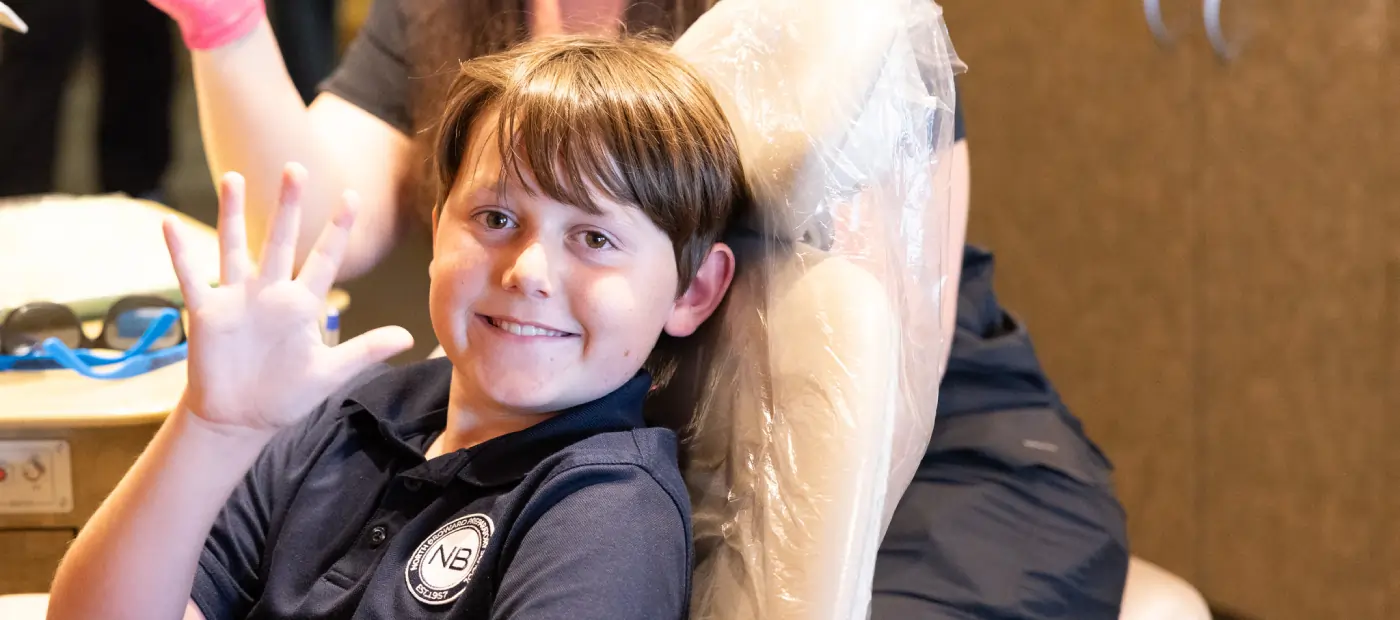
Getting braces for the first time whether it’s you or your child usually comes with more questions than people expect to have. What does the process actually involve? How long does it take? Is it going to hurt as much as the old stories from decades ago suggest?
A first-time patient’s guide to getting braces in Coral Springs typically follows a pretty clear path: an initial consultation and imaging, a treatment plan tailored to the specific bite and alignment issues, the placement appointment itself, and then regular adjustment visits every several weeks as the teeth gradually shift into place.
What to expect along the way:
- An initial exam and imaging to map out the treatment plan
- A placement appointment that typically takes under two hours
- Some soreness for the first few days as teeth begin adjusting
- Regular follow-up visits, usually every four to eight weeks
- A retainer phase after braces come off to maintain the results
- Occasional minor adjustments to wires or bands throughout treatment
Coral Springs schools bring together a lot of families juggling after-school activities and sports schedules, so appointment flexibility matters. The team works to schedule adjustment visits around school and work commitments as much as possible, since consistency is part of what keeps treatment on track and moving toward the final result on schedule.
What families should expect in the first week
The first few days after braces are placed tend to be the most uncomfortable part of the whole process, as the mouth adjusts to the new brackets and the teeth begin responding to gentle pressure. Soft foods, over-the-counter pain relief if needed, and orthodontic wax to smooth over any spots that rub against the cheeks usually make this period much more manageable. Most patients, both kids and adults, report that the discomfort fades noticeably by the end of the first week and becomes a non-issue by the time the first adjustment visit rolls around.
FAQs
At what age should a child first be evaluated for braces? Many orthodontists recommend an initial evaluation around age seven, even if treatment doesn’t start right away, to monitor how the bite is developing.
How long does treatment typically last? It varies by case, but most patients are in braces somewhere between twelve and twenty-four months.
Does getting braces hurt? There’s usually some soreness for the first few days after placement and after adjustments, but it’s generally manageable and temporary.
What happens after the braces come off? A retainer is typically worn to maintain the new position of the teeth, with wear time gradually reduced over time as directed.
Can certain foods damage braces? Yes, sticky and very hard foods can loosen brackets or bend wires, so patients are given a list of foods to avoid throughout treatment.
What if a bracket comes loose between appointments? It’s worth calling the office promptly so they can advise on next steps and get you in for a repair if needed before it affects your progress.
If it’s time to finally get braces started — for yourself or for your child — a consultation is the first step toward mapping out exactly what the process will look like, and how soon you can expect to see real progress.