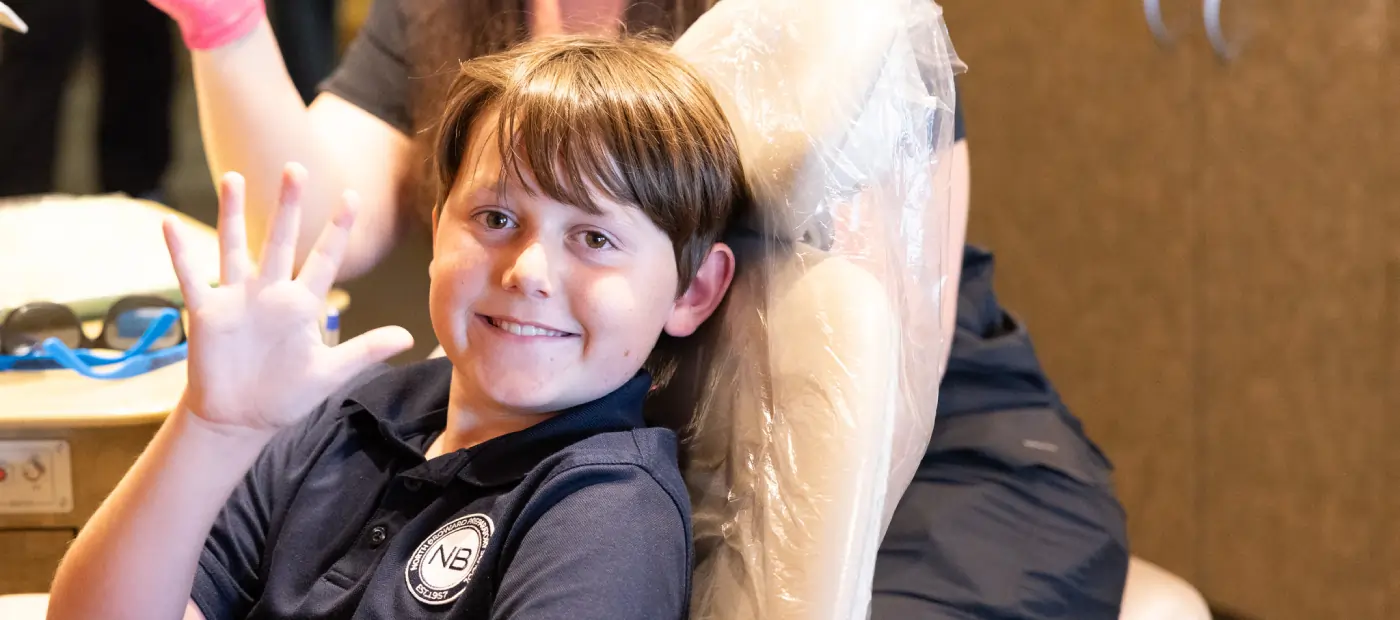


Getting braces is a milestone, not a burden. Yet somewhere between the first tightening and the first bite of pizza you’re afraid to attempt, most patients start wondering how everyone else seems to manage it so easily. The truth is, comfort with braces isn’t luck. It’s a handful of small habits that make a real difference, whether you’re a teenager juggling swim practice or an adult who finally decided it was time for that straighter smile.
If you’ve recently started treatment with braces Coral Springs families rely on, here’s what actually helps during those first few weeks and beyond.
The First Two Weeks Are the Hardest — Here’s Why
Your teeth are moving. That’s the whole point, but it also means mild soreness is completely normal for the first several days. A few things that genuinely help:
- Stick to soft foods like mashed potatoes, scrambled eggs, and smoothies for the first 48–72 hours
- Rinse with warm salt water twice a day to calm irritated gum tissue
- Keep orthodontic wax in your bag, car, and nightstand — you’ll use more of it than you expect
- Take an over-the-counter pain reliever before appointments if soreness tends to hit you hard
This phase passes quickly. Most patients say the discomfort is barely noticeable by the second week.
Eating Without Wrecking Your Wires
South Florida food culture doesn’t exactly make this easy — think Coral Springs’ taco Tuesdays, corn on the cob at backyard cookouts, or a slice from your favorite pizza spot on University Drive. The good news is you don’t have to give any of it up entirely, just adjust how you eat it.
A few practical swaps:
- Cut corn off the cob instead of biting directly into it
- Choose soft tacos over crunchy shells
- Slice apples and other firm fruit rather than biting whole
- Avoid caramel, taffy, and anything sticky that can pull at brackets
- Skip ice chewing — it’s one of the most common causes of broken wires
Cutting food into smaller pieces isn’t a compromise. It’s just a habit, and it becomes automatic within a few weeks.
Hygiene Habits That Actually Prevent Problems
Brushing around brackets takes more attention than most people expect. Food particles love to hide in places a regular toothbrush can’t reach, and Coral Springs’ warm, humid climate means bacteria multiplies faster if plaque is left sitting.
Tools worth having on hand:
- An orthodontic toothbrush with a V-shaped bristle pattern
- A floss threader or orthodontic flosser
- A water flosser for a deeper clean without the frustration
- Fluoride mouthwash to add an extra layer of protection
Staying consistent with these habits prevents two of the most common orthodontic complaints: gum inflammation and the permanent white spots that can appear when plaque sits too long around brackets.
Managing Soreness After Adjustments
Even months into treatment, adjustment visits can bring a day or two of tenderness. This is your teeth responding to new pressure, and it’s a sign that treatment is progressing as it should.
To ease it:
- Apply a cold compress to the outside of your jaw for 10–15 minutes
- Eat softer meals the evening of your appointment
- Use wax immediately if a bracket is rubbing against your cheek or lip
- Keep a small “braces kit” in your bag with wax, a spare toothbrush, and floss
Small preparation goes a long way toward avoiding an uncomfortable afternoon at school or work.
Staying Active Without Worry
Between youth sports leagues at Mullins Park and the number of families who swim year-round here, orthodontic patients often ask whether braces will slow them down. In almost every case, the answer is no.
- Athletes should wear a mouthguard designed to fit over braces
- Musicians playing wind instruments typically adjust within one to two weeks
- Swimmers and other active patients rarely need to change their routine at all
Braces are far more common today than they were a generation ago, and most patients find that any self-consciousness fades within the first month.
Tracking Progress the Right Way
It’s tempting to check your teeth in the mirror every day, but orthodontic movement happens gradually and isn’t always visible week to week. Trust the plan your orthodontist has built for you, and use scheduled appointments — not daily comparisons — as your real progress markers.
Ready for a More Comfortable Orthodontic Experience?
Small daily habits make an enormous difference in how comfortable your treatment feels day to day. But the most important factor is having an experienced team guiding your care from the very first consultation to the day your retainer is fitted.
If you’re in Coral Springs or the surrounding Palm Beach and Broward County communities, our team would love to help you feel confident at every stage of treatment. Schedule your consultation today and find out why local families continue to trust us with their smiles.
Frequently Asked Questions
How long does the initial soreness from braces usually last? Most patients notice significant improvement within three to five days, with mild sensitivity fading completely within the first two weeks.
Can I still eat normally with braces? Yes, with minor adjustments. Softer preparation of firm foods and avoiding sticky or hard items protects both your comfort and your brackets.
What should I do if a wire or bracket is irritating my mouth? Apply orthodontic wax to the area right away. If the irritation continues or a wire is poking sharply, call your orthodontic office so it can be addressed before your next scheduled visit.
Are water flossers actually necessary with braces? They’re not required, but many patients find them significantly easier and more effective than traditional floss for cleaning around wires and brackets.
Will braces interfere with sports or playing an instrument? Rarely. A properly fitted mouthguard protects braces during contact sports, and musicians typically adapt within a couple of weeks of practice.