

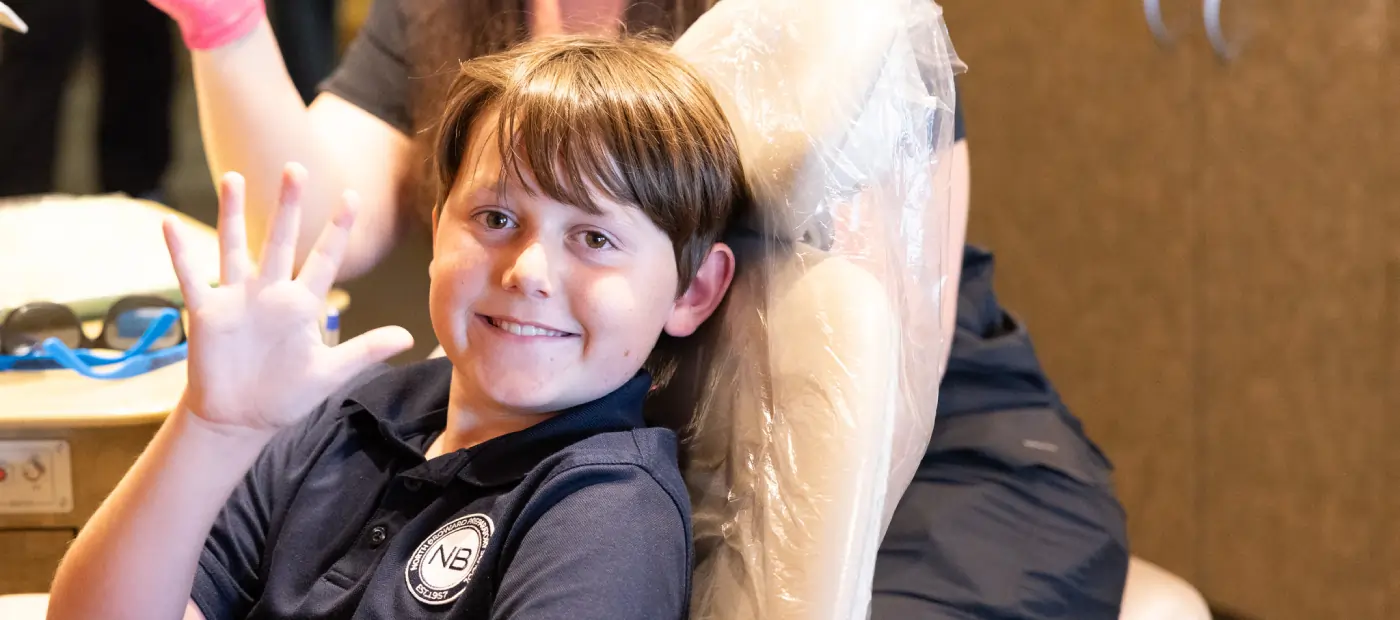
Getting braces for the first time comes with more questions than most families expect. What does the actual placement appointment involve? How long does it take? Is it going to hurt as much as older siblings or classmates have described? Understanding the process ahead of time tends to take a lot of the mystery and the anxiety out of what’s really a routine part of childhood for millions of kids.
Comprehensive braces treatment for kids and teens in Parkland at Rozen Orthodontics typically follows a clear, predictable path: an initial consultation and imaging, a treatment plan tailored to your child’s specific bite and alignment, the placement appointment itself, and then regular adjustment visits as their teeth gradually shift into place.
Why an early evaluation matters even if treatment isn’t starting yet
Many parents assume there’s no reason to bring a child in for an orthodontic evaluation until something clearly looks wrong. In reality, an early evaluation, often recommended around age seven, gives the orthodontist a chance to monitor how permanent teeth are coming in and identify developing issues while there’s still room to guide growth naturally. Not every child evaluated at this age starts treatment right away, but having that early baseline means nothing gets missed as their smile continues to develop over the following years.
What determines when active treatment actually begins
Even after an early evaluation, most kids don’t start active treatment with braces until several years later, once enough permanent teeth have erupted to plan a complete course of treatment. Rozen Orthodontics uses the years between that first evaluation and the start of treatment to track development through periodic check-ins, so the timing of when braces actually go on is based on real, observed growth rather than a guess.
What to expect along the way:
- An initial exam and imaging to map out the treatment plan
- A placement appointment that typically takes under two hours
- Some soreness for the first few days as teeth begin adjusting
- Regular follow-up visits, usually every four to eight weeks
- A retainer phase after braces come off to maintain the results
What the first week at home actually looks like
The initial adjustment period tends to be the part parents worry about most. Most kids experience some soreness for three to five days as their mouth adjusts to the new brackets, along with occasional irritation on the inside of the cheeks or lips. Orthodontic wax handles most of that irritation, and soft foods make the first few days more comfortable. By the second week, most kids have settled into a routine without much extra thought required, brushing and flossing around their brackets almost automatically.
How Rozen Orthodontics makes the process feel manageable for families
Parkland families juggling school, sports, and everything else on a packed calendar benefit from a practice that understands how much coordination goes into keeping up with regular adjustment visits. The team works to schedule appointments around school hours whenever possible, minimizing the disruption to a child’s normal routine while still keeping treatment progressing on schedule. That flexibility matters especially during busier stretches of the school year, when finding time for one more appointment can feel like the hardest part of the whole process.
What parents notice most during their child’s treatment
Beyond the mechanics of braces themselves, parents consistently mention how much the day-to-day experience shapes their overall impression of treatment. A team that explains each adjustment step clearly, keeps appointments running close to on time, and treats kids with genuine patience tends to leave parents feeling confident about the choice they made, regardless of how long the overall treatment timeline turns out to be.
Pointers for families getting started with braces:
- Schedule an initial evaluation as soon as your child’s dentist suggests it
- Stock up on orthodontic wax for the first week or two
- Talk through food restrictions early, since sticky and hard foods cause most bracket damage
- Ask about a sports mouthguard designed to fit over braces if your child plays contact sports
- Keep adjustment appointments consistent, since gaps between visits can slow progress
FAQs
At what age should a child first be evaluated?
Many orthodontists recommend an initial check around age seven.
How long does treatment typically last?
Most patients are in braces for twelve to twenty-four months.
Does getting braces hurt?
Some soreness is normal for the first few days, then it fades.
What happens after the braces come off?
A retainer is worn to maintain the new position of the teeth.
What if a bracket comes loose between appointments?
Call promptly so the office can schedule a quick repair.
If it’s time to finally get braces started for your child, scheduling a consultation with Rozen Orthodontics is the first step toward a clear, manageable treatment plan, with a team that knows how to keep the whole process feeling straightforward from start to finish.