



Getting braces for the first time feels exciting until the first meal arrives. Many patients leave their appointment wondering what feels safe to chew, what might hurt, and how long soreness lasts. The first 24 hours matter because teeth, gums, and cheeks need time to adjust to the new pressure. Most patients notice tenderness within a few hours. That soreness can make crunchy foods feel overwhelming at first. Softer meals help reduce irritation while making eating easier during the adjustment period. Choosing the right foods on day one also lowers the chance of broken brackets or bent wires.
After walking in parks or attending community events, soft, cooling foods feel easier on newly adjusted teeth. Families usually appreciate simple meals that require little chewing during the first night. Patients looking for braces in Parkland often want treatment that feels comfortable and manageable from the beginning. Rozen Orthodontics provides orthodontic care near the community with modern treatment options, including Damon, clear, and LightForce braces. Knowing what to eat on day one helps patients feel more confident during the first stage of treatment.
Why Does Eating Feel Different After Braces?
Understanding the first day experience helps patients avoid frustration and unnecessary discomfort:
Teeth Start Responding Immediately
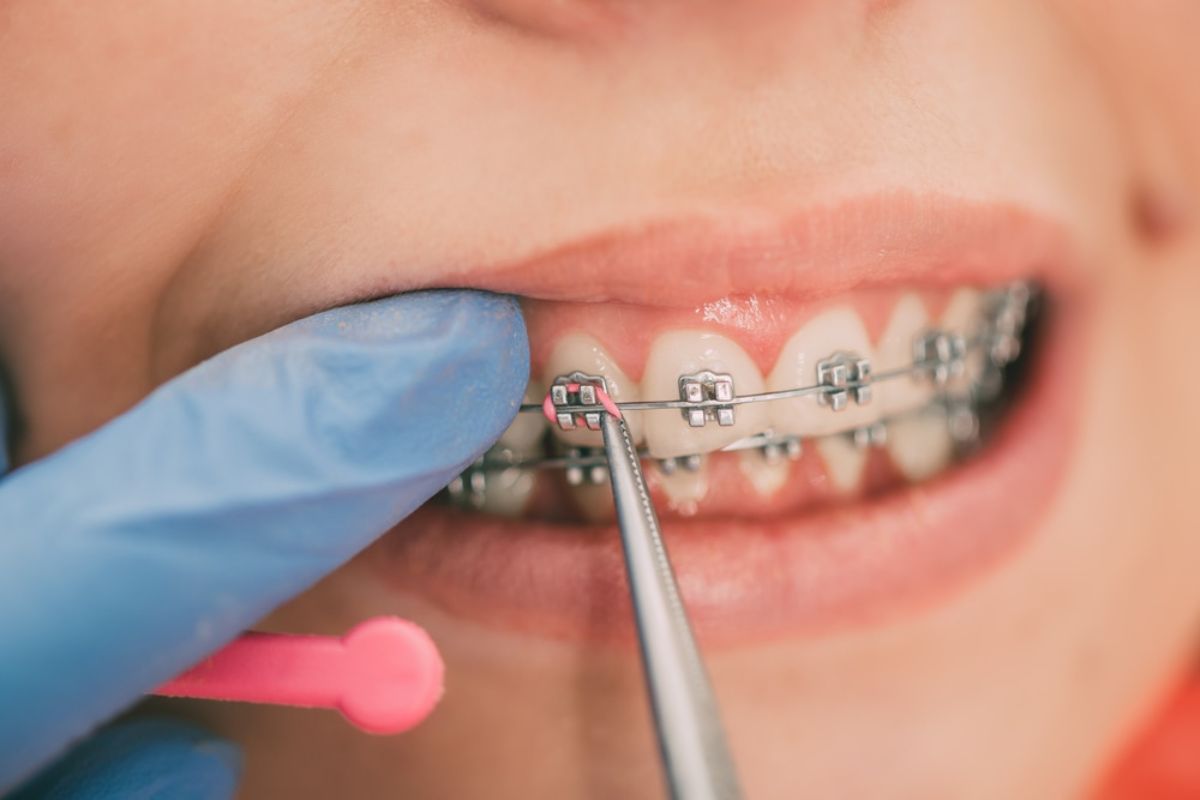
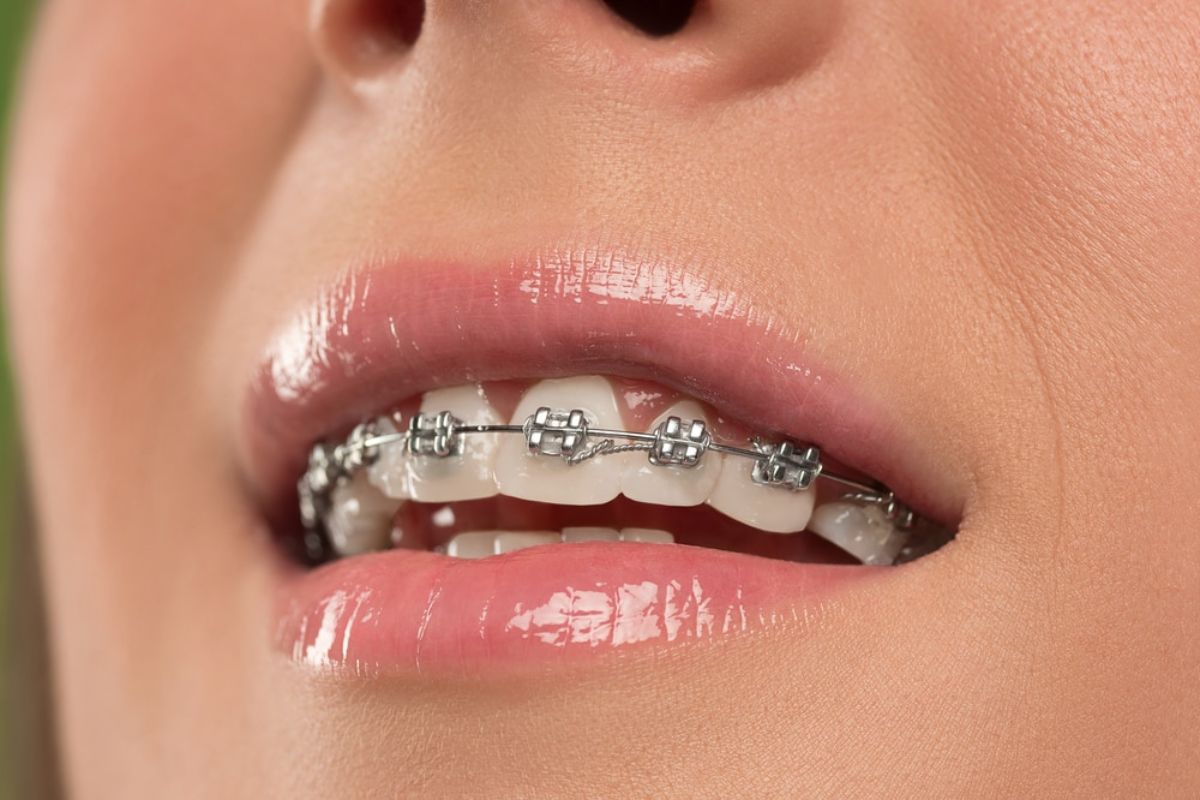
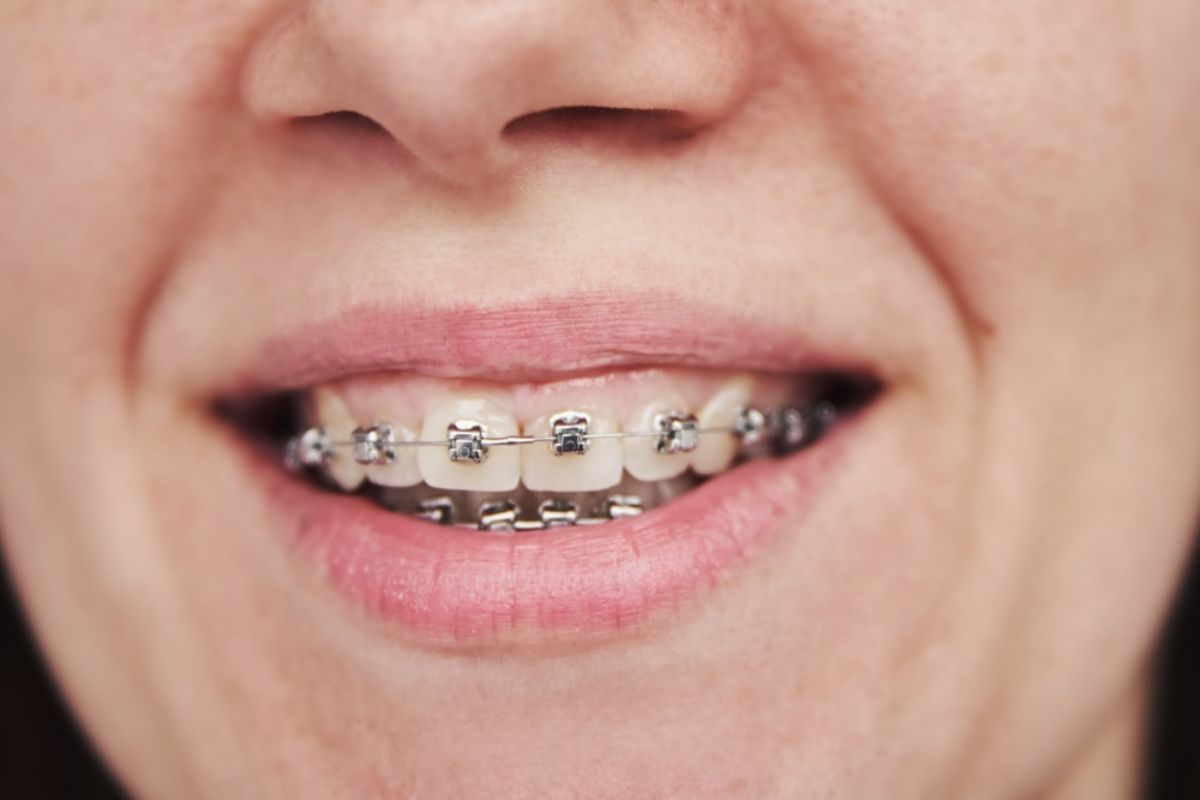
These brackets begin applying pressure shortly after placement. Teeth and surrounding tissues react to that movement, which creates tenderness. Most patients describe the feeling as soreness instead of sharp pain.
Cheeks And Lips Need Time to Adjust
Brackets create new contact points inside the mouth. Cheeks and lips may rub against them during talking and eating. Softer foods reduce irritation while the mouth adapts.
Biting into Food Feels Strange
Front teeth often feel sensitive during the first few days. Foods that require biting directly into them can feel uncomfortable. Smaller portions help reduce pressure.
Cold Foods Usually Feel Better
Cool foods can calm irritated tissues. Many patients prefer chilled meals or smoothies during the first evening because they soothe sore areas.
According to the American Association of Orthodontists, more than 4 million people in the United States wear braces or orthodontic appliances.
The Best Foods To Eat During The First 24 Hours
Starting with gentle foods can make the adjustment period easier:
Yogurt and Smoothies
Yogurt feels soothing and requires no chewing. Smoothies provide nutrition without placing pressure on sensitive teeth. Patients should avoid thick toppings or hard mix-ins.
Mashed Potatoes and Soft Rice
Warm mashed potatoes feel comforting after an orthodontic appointment. Soft rice also works well because it requires minimal chewing and does not place heavy pressure on brackets.
Scrambled Eggs
Eggs provide protein while staying soft enough for sore teeth. Scrambled eggs work especially well during the first breakfast after placement.
Pasta with Soft Sauces
Overcooked pasta with smooth sauce feels easier to chew than firmer noodles. Avoid crunchy toppings during the first few days.
Soup Without Crunchy Ingredients
Soup works well for patients dealing with tenderness. Lukewarm temperatures feel better than extremely hot foods. Soft vegetables and noodles are usually manageable.
Applesauce and Soft Fruit
Applesauce, bananas, watermelon, and soft berries require little chewing. These foods also help patients stay hydrated in the Florida heat.
During humid summer afternoons near Heron Bay and nearby neighborhoods, cold smoothies and chilled fruit bowls often become the easiest dinner option after an orthodontic visit. They feel refreshed while helping patients stay comfortable.
Could Certain Orthodontic Options Feel More Comfortable?
Different orthodontic systems create different experiences for patients:
Damon Braces
Damon brackets use a self-ligating system that reduces friction during tooth movement. Many patients appreciate the smoother design and fewer adjustment appointments.
Clear Braces
Clear brackets blend more naturally with teeth, making them popular among teens and adults who prefer a less noticeable appearance.
LightForce Braces
LightForce brackets use customized technology designed specifically for each patient’s teeth. Personalized bracket placement supports efficient tooth movement.
The first few days after orthodontic treatment always involve an adjustment period. However, choosing the right foods and following care instructions makes the transition easier. Most patients begin feeling more comfortable within several days as their mouth adapts. If you are considering braces in Parkland, the right guidance can make the entire process much easier.
Which Foods Should Stay Off The Menu On Day One?
Certain foods can increase soreness or damage brackets during the adjustment phase:
- Crunchy Snacks: Chips, popcorn, pretzels, and hard crackers create pressure on brackets. These foods can also irritate sore gums.
- Sticky Candy: Chewy candy sticks around brackets and wires. It becomes difficult to clean and may loosen orthodontic hardware.
- Hard Bread Crusts: Crusty bread requires a stronger biting force. Softer bread options feel easier during the first few days.
- Tough Meats: Steak and chewy meats place heavy pressure on sensitive teeth. Softer proteins work better while the mouth adjusts.
- Whole Apples and Corn On The Cob: Biting directly into firm foods increases discomfort. Cutting food into smaller pieces helps protect the brackets and reduce soreness.
- Ice Chewing: Chewing ice can damage the brackets and irritate teeth already adjusting to pressure. Cold drinks work better than frozen chunks.
What Makes The First Day Easier?
Small habits can make the transition smoother and more comfortable:
- Eat Slowly: Rushing through meals often increases discomfort. Slower chewing gives patients more control while learning how those wires feel.
- Cut Food Into Smaller Pieces: Smaller bites reduce pressure on front teeth. This also helps patients avoid accidental bracket damage.
- Stay Hydrated: Dry mouths feel more irritated after orthodontic adjustments. Water keeps tissues hydrated and helps wash away food particles.
- Use Orthodontic Wax When Needed: Wax helps protect cheeks from rubbing brackets. Many first-time patients find relief after placing wax over areas causing irritation.
- Brush Carefully After Meals: Food particles collect around brackets quickly. Gentle brushing keeps the mouth cleaner and helps patients adjust to their new routine.
- Keep Soft Foods Ready At Home: Preparing soft meals before the appointment reduces stress later. Patients feel more comfortable when easy food options already exist.
Families heading home after weekend events often prefer simple meals like soup, pasta, or mashed potatoes because they feel manageable after braces adjustments. Planning ahead makes the evening easier.
Start Your Orthodontic Journey with Our Professional Care
The first day with braces sets the tone for the weeks ahead. Eating softer meals, staying hydrated, and protecting sensitive teeth can make the adjustment period far less stressful. Most patients quickly discover that brackets become easier to manage with the right habits.
Orthodontic treatment should support confidence, comfort, and long-term oral health. Rozen Orthodontics helps patients begin treatment with modern orthodontic solutions and supportive care every step of the way. If daily discomfort, crowding, spacing, or bite issues affect confidence, consider braces in Parkland with an orthodontic team. So book an appointment now!
FAQs
How long does soreness usually last after braces are placed?
Most soreness improves within several days. Teeth may feel sensitive for about a week after placement or adjustments. Soft foods, hydration, and careful chewing usually help patients feel more comfortable during that period.
Can hot foods irritate newly adjusted teeth?
Very hot foods sometimes increase sensitivity during the first day. Lukewarm meals usually feel easier on sore teeth and irritated cheeks. Cooler foods may also help calm tenderness after adjustments.
Is chewing gum allowed during orthodontic treatment?
Sticky gum can cling to brackets and wires, making cleaning more difficult. It may also loosen orthodontic hardware over time. Many orthodontic providers recommend avoiding gum throughout active treatment.
Why do front teeth feel more sensitive than back teeth?
Front teeth often respond more noticeably because they experience pressure differently during early tooth movement. Biting directly into foods may feel uncomfortable at first. Cutting meals into smaller pieces usually helps reduce irritation.
Should softer foods continue after every adjustment appointment?
Many patients return to softer foods for one or two days after adjustments. Teeth commonly become tender again when new pressure is applied. Preparing simple meals ahead of appointments often makes recovery easier.
Can braces affect speech during the first few days?
Some patients notice slight speech changes while adjusting to brackets or aligners. The tongue and lips need time to adapt. Most speaking patterns return to normal after several days of regular conversation.