

A properly aligned bite is essential for oral health and overall well-being. However, many people experience bite issues such as an underbite or overbite, which can affect both function and appearance. An overbite occurs when the upper front teeth overlap the lower teeth too much, while an underbite happens when the lower teeth extend past the upper teeth. Both conditions can lead to jaw discomfort, uneven wear on teeth, and difficulties with chewing and speaking.
Traditional braces were once the only solution for correcting bite misalignment, but advancements in orthodontics have introduced more comfortable and discreet alternatives. One of the most effective options for mild bite issues is Invisalign, which gradually moves teeth into proper alignment using clear aligners.
How Invisalign Works for Bite Correction
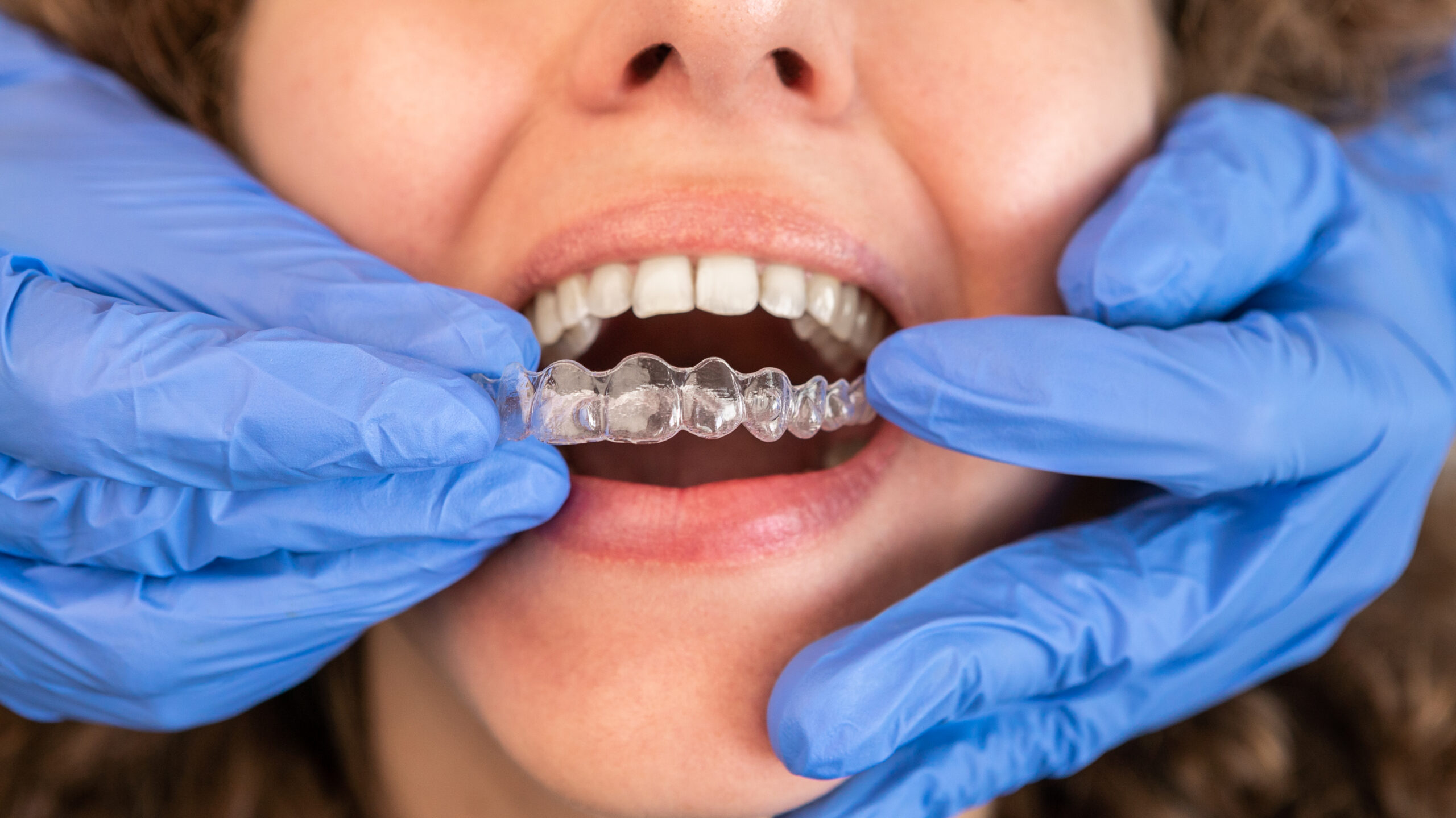
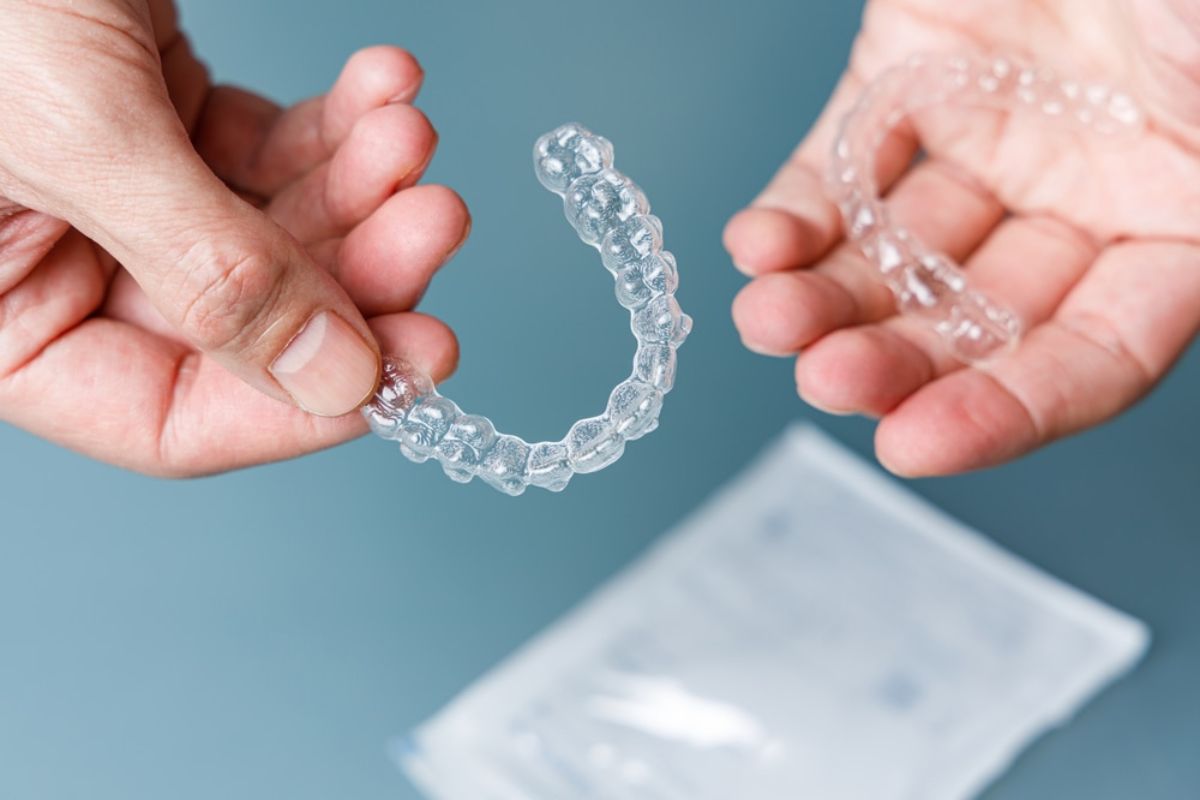
Invisalign aligners are designed to reposition teeth gradually using a series of custom-made, removable trays. Each set of aligners is worn for approximately two weeks before progressing to the next stage. The aligners apply gentle, consistent pressure to move teeth into a healthier alignment, improving the bite over time.
For those with a mild underbite or overbite, Invisalign can be an effective solution without the need for metal brackets or wires. The treatment plan is tailored to each patient’s needs, ensuring precise tooth movement while maintaining comfort and convenience.
Benefits of Using Invisalign for Mild Bite Issues
Opting for Invisalign over traditional braces provides several advantages, especially for individuals seeking a discreet orthodontic solution. Some of the key benefits include:
- Aesthetic Appeal: The clear aligners are virtually invisible, making them a popular choice for adults and teens who prefer a more natural look during treatment.
- Comfortable Fit: Made from smooth plastic, Invisalign trays eliminate the discomfort caused by metal brackets and wires.
- Removable: Unlike braces, Invisalign aligners can be removed for eating, drinking, brushing, and flossing, allowing for better oral hygiene.
- Fewer Office Visits: Patients typically visit their orthodontist every six to eight weeks for check-ups rather than undergoing frequent wire adjustments.
For mild underbites and overbites, Invisalign provides a non-invasive, effective solution that aligns teeth while enhancing overall dental health.
What to Expect During Treatment
Before starting Invisalign, an orthodontist will assess the severity of the bite misalignment through digital scans and X-rays. If Invisalign is a suitable option, a customized treatment plan is created to guide tooth movement over time.
Patients receive multiple sets of aligners, each designed to shift teeth slightly. The aligners must be worn for at least 20 to 22 hours per day to ensure optimal results. Regular check-ups allow the orthodontist to monitor progress and make any necessary adjustments.
In cases where an underbite or overbite is more severe, additional treatments such as tooth extractions, elastics, or attachments may be required to enhance the effectiveness of Invisalign.
Long-Term Results and Retention
Once Invisalign treatment is complete, maintaining the results is essential to prevent teeth from shifting back to their original position. Retainers are often recommended to preserve the newly aligned bite. These retainers may be similar to Invisalign trays or fixed behind the teeth for long-term stability.
Choosing Invisalign for bite correction can significantly improve dental function, speech, and confidence. Patients who complete treatment often experience a more balanced smile and improved oral health.
At Rozen Orthodontics, Parkland and patients from nearby areas receive expert care and personalized Invisalign treatment tailored to their specific needs. Whether correcting a mild underbite, overbite, or general misalignment, Invisalign offers a comfortable and effective solution for a healthier smile.