
Braces used to mean one look, and everybody knew it. Metal brackets, colored bands, that slightly self-conscious smile in every school photo for two years straight. These days, plenty of adults and teens are quietly straightening their teeth without anyone else noticing at all, and that shift alone has changed how people think about orthodontic care.
If you’ve searching for Invisalign in Coral Springs late at night after noticing a tooth shifting again since your old braces came off, you’re definitely not the only one. It’s become one of the most requested treatments at orthodontic offices across South Florida, for reasons that go well beyond just looking nice in photos.
So What Actually Is Invisalign?
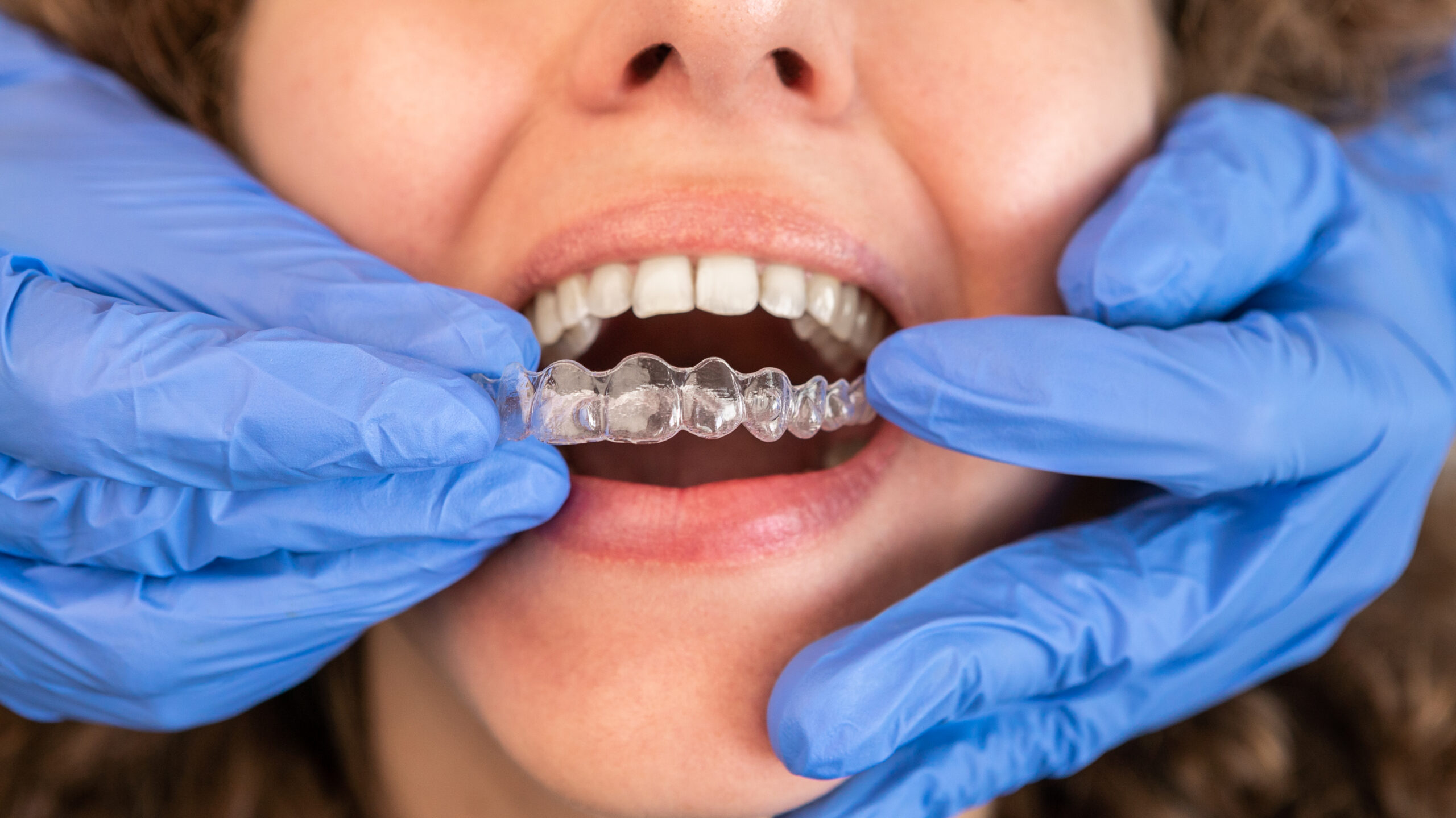
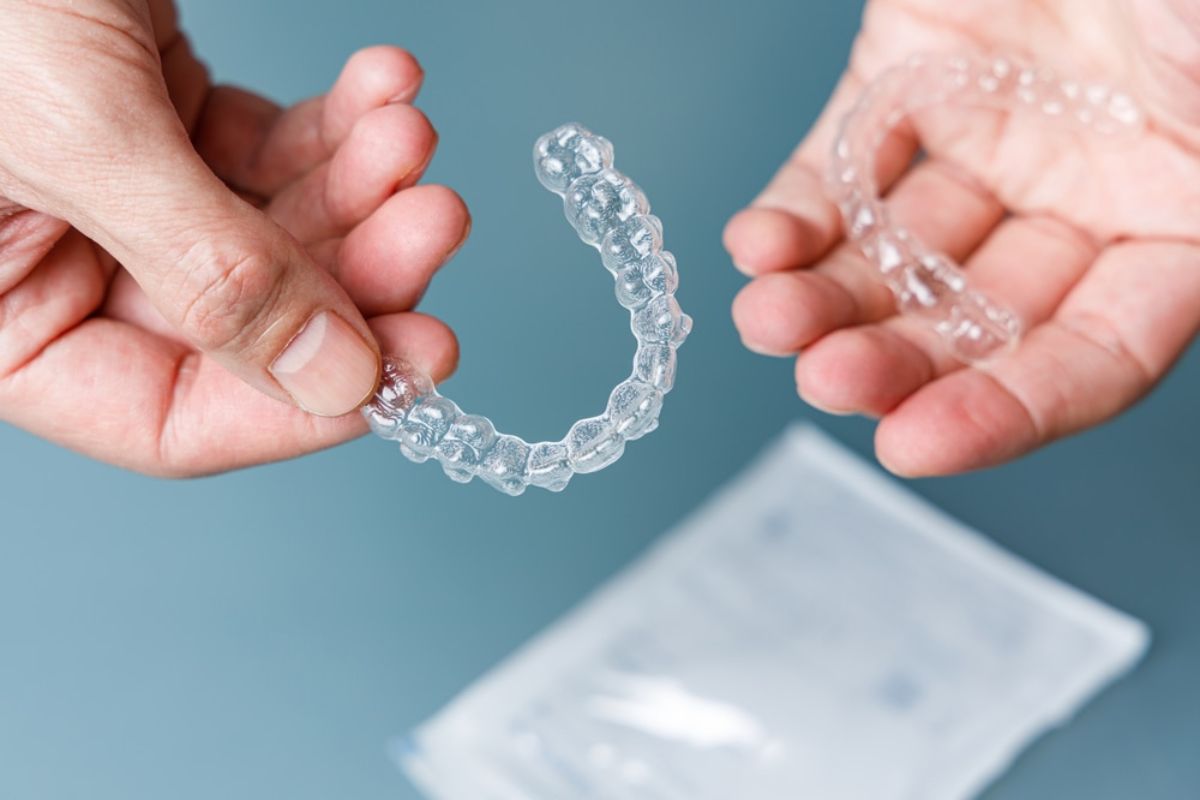
At its core, Invisalign is a series of clear, custom-made aligners that gradually move your teeth into a better position, without a single bracket or wire involved. Each aligner is created from digital scans of your specific teeth, and you’ll move through a new one roughly every one to two weeks as your smile shifts closer to its final position.
The plastic itself is smooth, BPA-free, and thin enough that most people won’t notice you’re wearing anything at all unless you point it out.
How the Process Actually Works, Start to Finish
It begins with a consultation, where digital imaging maps out exactly how your teeth will move over the course of treatment. From there, you’ll receive your aligners and wear them 20 to 22 hours a day, removing them only to eat, drink, brush, and floss.
Most people finish treatment somewhere between 12 and 18 months, though it really depends on how much movement your teeth need. Some patients with minor spacing issues finish faster. Others with more involved bite corrections take a bit longer.
Why So Many People End Up Choosing This Over Traditional Braces
A few reasons keep coming up in conversations with patients:
- No food restrictions. Since the aligners come out to eat, there’s no need to avoid popcorn, apples, or anything sticky the way traditional braces require.
- Far less irritation. No brackets or wire ends poking the inside of your cheek during a long day.
- Genuinely discreet. Whether it’s a work presentation, a wedding, or just everyday conversations, most people won’t clock that you’re mid-treatment.
- Easier hygiene. Brushing and flossing stay exactly the same as before, since the aligners simply come out.
- Predictable planning. Digital treatment mapping means you can actually see roughly how your smile will look at each stage before you commit.
Is Invisalign Actually Right for Your Situation?
This is where it gets a little more nuanced than marketing usually suggests. Invisalign handles a wide range of issues well — spacing, mild-to-moderate crowding, and many bite irregularities. It’s not automatically the answer for every case, though. More severe bite problems or significant jaw misalignment sometimes still respond better to traditional braces, at least initially.
That’s really the point of a real consultation rather than guessing based on what you’ve read online. An orthodontist can look at your specific bite, X-rays, and goals, and tell you honestly which approach gets you the best result, not just the trendiest one.
Taking Care of Your Aligners (It’s Easier Than It Sounds)
A few habits keep this simple:
- Rinse aligners each time you remove them, rather than letting saliva dry on them
- Brush them gently with a soft toothbrush, not your regular toothpaste which can be abrasive
- Use cleaning crystals or solutions your orthodontist recommends for a deeper clean
- Stick to water only while wearing them, since anything else can stain or warp the plastic
- Keep your case with you, since a lost aligner mid-cycle can set your timeline back
Consistency matters more than almost anything else here. Aligners only work if you’re actually wearing them the recommended number of hours daily, so the patients who see the fastest, cleanest results tend to be the ones who treat that schedule seriously.
What Happens Once Treatment Ends
Finishing your last aligner isn’t quite the finish line you’ll typically move into a retainer afterward to lock your new smile into place. Teeth have a natural tendency to drift back over time without that support, so your orthodontist will map out a retainer schedule, usually starting with more consistent wear and gradually easing off over months.
A Quick Word for Coral Springs Residents
Living in Coral Springs comes with its own small factors worth knowing. Between youth sports leagues at places like Mullins Park, regular time outdoors in South Florida’s heat, and a community that leans heavily into an active, photo-ready lifestyle, a lot of local patients specifically want treatment that doesn’t interrupt daily life or draw attention mid-process. That’s a big reason Invisalign has caught on so widely here, especially among working professionals commuting toward Fort Lauderdale and parents juggling school pickups who don’t have time for frequent adjustment appointments.
Ready to See What Your Smile Could Look Like?
If you’ve been putting off straightening your teeth because the idea of visible braces felt like too much, it might be worth finding out what your options actually look like first. Request an appointment here and get a real answer based on your specific smile, not a guess from a search engine.
Frequently Asked Questions
Does Invisalign hurt? Most patients feel mild pressure for a day or two after switching to a new aligner, but nothing close to the soreness associated with tightening traditional braces.
Can teenagers use Invisalign, or is it mainly for adults? Both. Many teens are excellent candidates, especially with compliance indicators built into some aligner systems that help track wear time.
What if I lose an aligner partway through treatment? Contact your orthodontist right away. Depending on where you are in your treatment plan, you may be able to move to the next aligner early or need a replacement made.
How much does Invisalign typically cost compared to braces? Pricing is often comparable to traditional braces and varies based on case complexity. Most practices offer a clear cost breakdown during your consultation, along with payment plan options.
Can I still play sports or musical instruments with aligners in? Yes, most patients adjust within a few days. For contact sports, a mouthguard can still be worn over the aligners for extra protection.