




Your bite plays a critical role in how your teeth function and how your smile looks. When the upper and lower teeth don’t align properly, it can lead to discomfort, difficulty chewing, and even uneven tooth wear. Common bite issues include overbites, underbites, crossbites, and open bites, each affecting oral health in different ways. Orthodontic treatment isn’t just about creating a beautiful smile; it’s also about ensuring your bite supports long-term dental health
Types of Bite Issues Invisalign Can Address
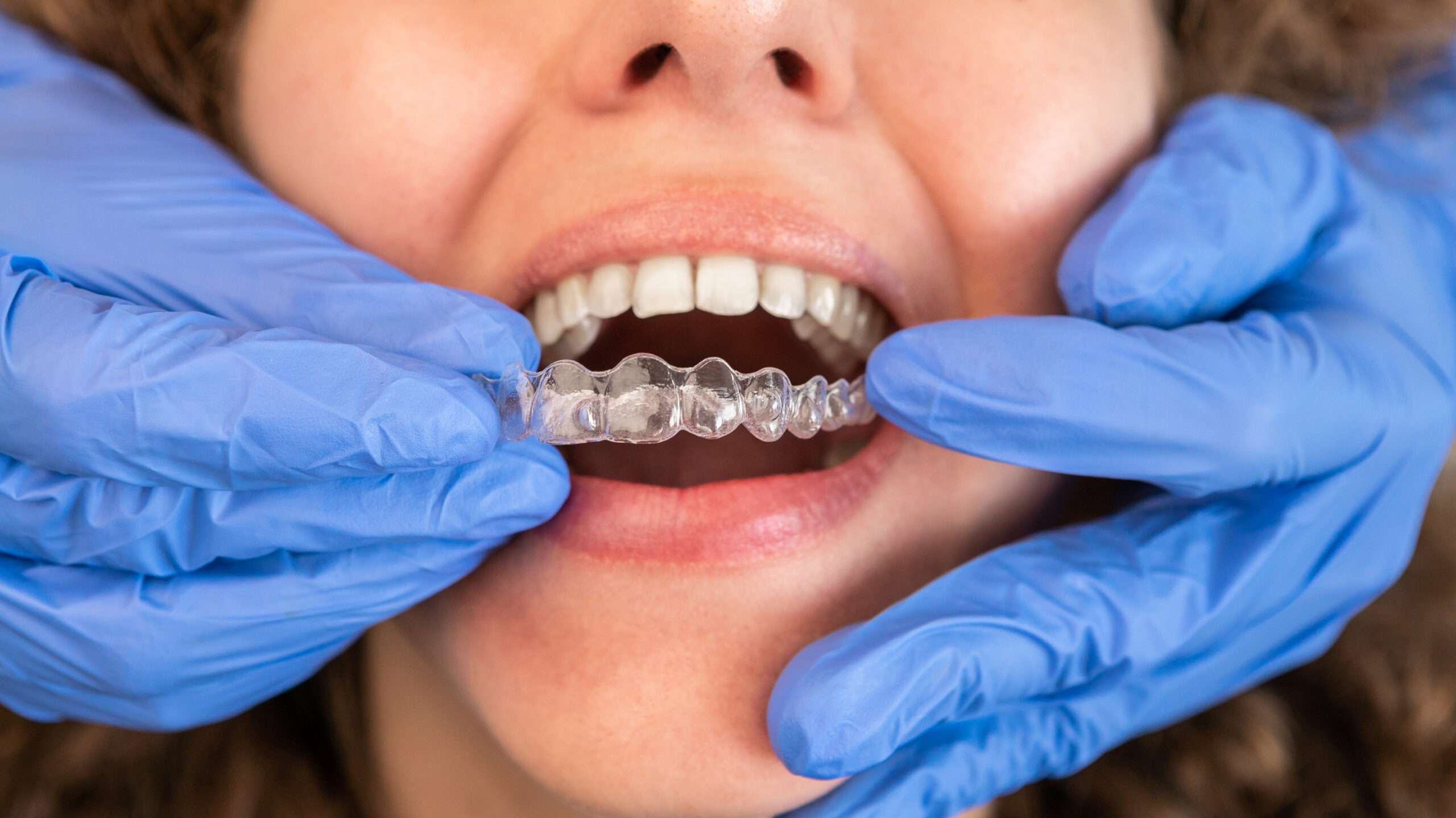
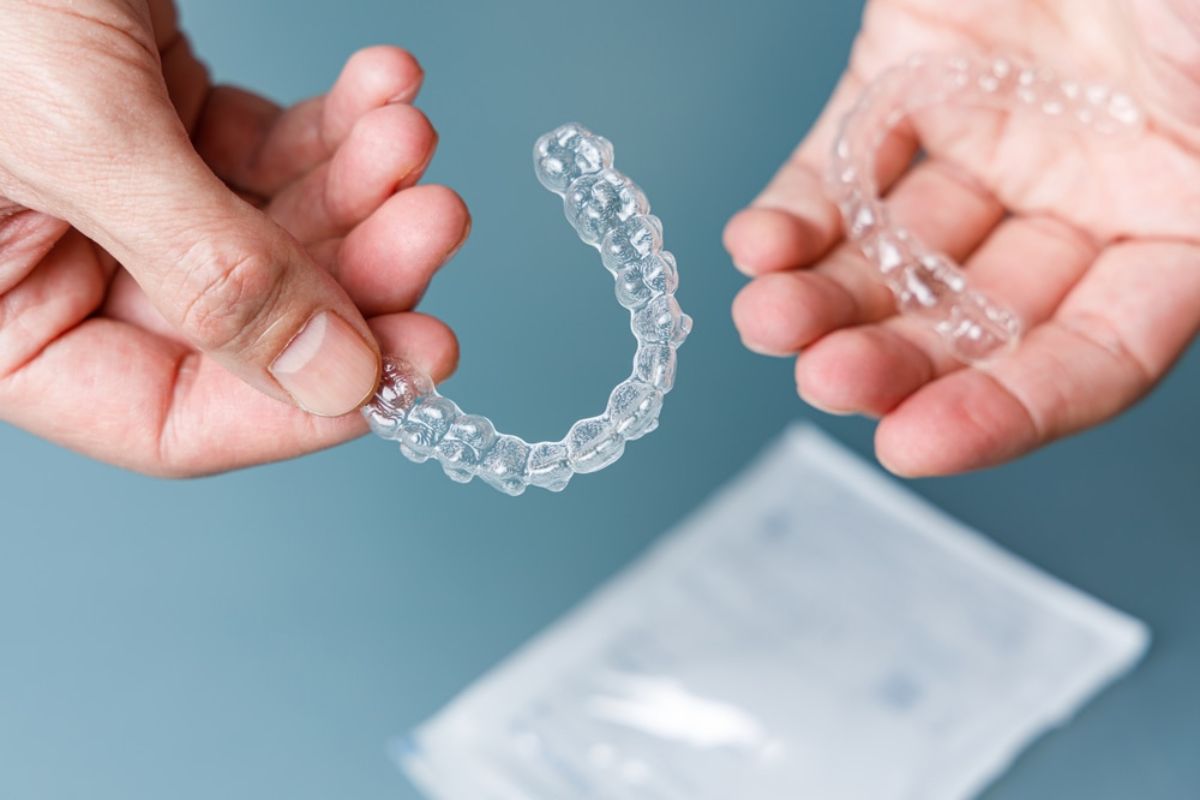
Modern orthodontic innovations have made it possible to correct various bite problems without the need for metal braces. Invisalign uses a series of custom-made, clear aligners that gradually move your teeth into their ideal positions. These aligners are discreet, removable, and comfortable, making them a popular choice for adults and teens in Parkland.
Invisalign can effectively correct:
- Overbite: When the upper front teeth overlap the lower ones excessively.
- Underbite: When the lower teeth extend beyond the upper teeth.
- Crossbite: When some upper teeth sit inside the lower teeth.
- Open bite: When the front teeth don’t touch when the mouth is closed.
- Minor crowding or spacing: For small alignment adjustments that enhance your bite and smile.
How Invisalign Works to Improve Your Bite
The Invisalign system uses advanced 3D imaging technology to map out your treatment plan from start to finish. Each aligner applies gentle pressure to specific teeth, guiding them into better alignment over time.
Midway through your treatment, you’ll notice improved symmetry and better bite contact. For patients searching for Invisalign options in Parkland, orthodontists can tailor each treatment plan to suit your specific bite problem and lifestyle. The aligners are replaced approximately every two weeks, allowing for precise adjustments at each stage of your orthodontic journey.
Depending on the complexity of your bite, treatment time can range from several months to over a year. Your orthodontist may also use attachments—tiny, tooth-colored bumps that help aligners grip teeth better—to enhance movement and results.
Benefits of Fixing Bite Problems with Invisalign
Beyond straightening teeth, Invisalign offers functional and health benefits. A properly aligned bite can:
- Improve chewing efficiency
- Reduce jaw discomfort or strain
- Prevent uneven wear on enamel
- Lower the risk of gum issues caused by misalignment
- Enhance overall facial balance and aesthetics
Additionally, Invisalign’s removable design allows you to maintain excellent oral hygiene throughout treatment. You can continue brushing and flossing normally—no need to navigate around brackets or wires.
What to Expect During Invisalign Bite Correction
Your orthodontist will begin with a detailed consultation to assess your bite and overall dental health. Using digital scans, they’ll show how your teeth will move throughout treatment. You’ll need to wear your aligners for 20–22 hours daily for optimal results, only removing them to eat, brush, and floss.
You’ll also have periodic check-ins to ensure your treatment is progressing as planned. While Invisalign is effective for most bite issues, some complex cases may still require additional orthodontic appliances or refinements after the initial treatment phase.
Achieve a Balanced, Confident Smile
Fixing your bite does more than enhance your smile—it supports long-term comfort, function, and oral health. With Invisalign, you can achieve these results discreetly and conveniently. Whether you’re dealing with an overbite, underbite, or another alignment issue, consult your local orthodontic specialist for a customized plan that meets your needs.
At Rozen Orthodontics, patients in Parkland receive personalized Invisalign treatments designed to create balanced, healthy smiles with precision and care.