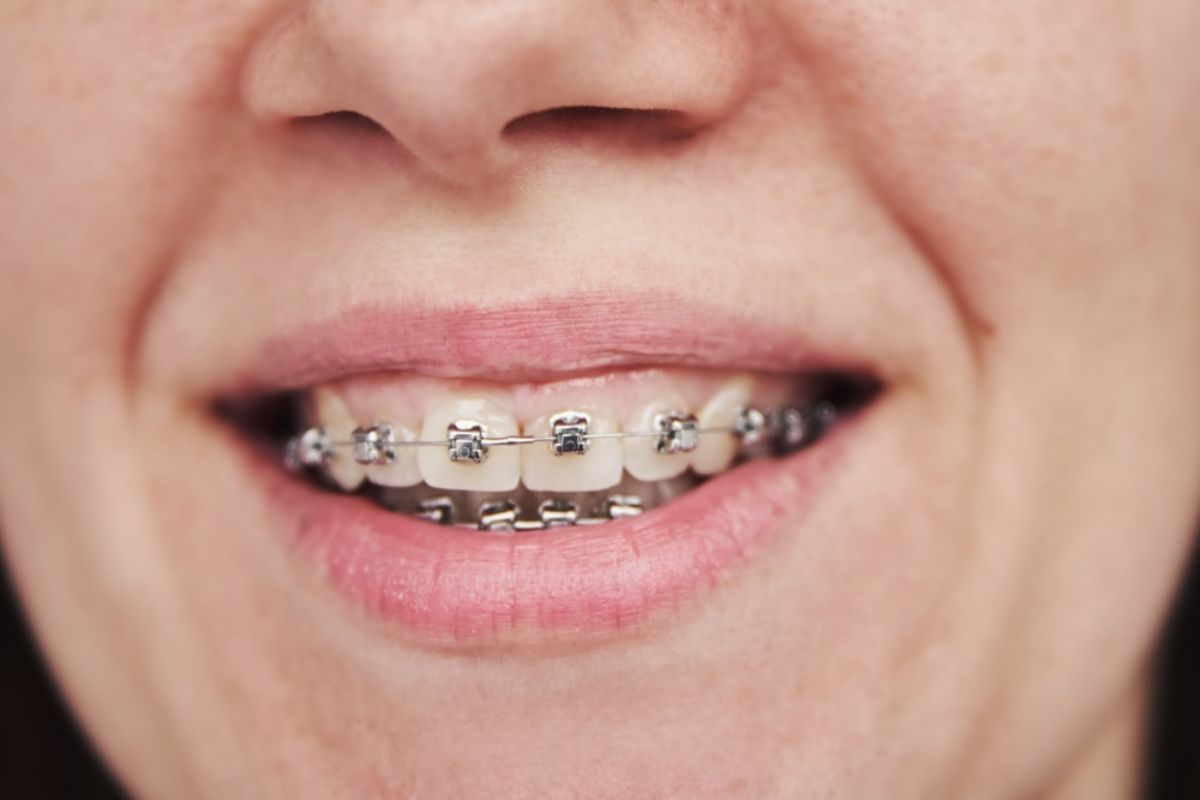





Gaps between teeth, also known as diastema, can occur for several reasons. Some individuals naturally have extra space due to genetics, some minor gaps may not cause health concerns, larger spaces can impact speech, bite alignment, and confidence in one’s smile. Fortunately, orthodontic treatment offers solutions to close these gaps effectively.
How Braces Work to Close Gaps
Braces are one of the most reliable methods for fixing spaces between teeth. They use a system of brackets and wires to apply constant pressure, gradually shifting teeth into the desired position. The movement occurs in stages, ensuring that the gap closes evenly without disrupting the overall alignment of the bite.
For smaller gaps, traditional braces can close spaces within a few months. However, for larger gaps, the treatment may take longer and may require additional interventions such as elastics or orthodontic appliances. An orthodontic evaluation is necessary to determine the best approach based on the individual’s dental structure.
Braces vs. Clear Aligners for Gap Closure
Patients who prefer a more discreet option often ask whether clear aligners can fix gaps as effectively as braces. While aligners such as Invisalign can close minor to moderate gaps, they may not be suitable for severe spacing issues. Braces provide greater control over tooth movement, making them the preferred choice for complex cases.
A professional orthodontist in Parkland can evaluate whether braces or aligners would be more effective based on factors like gap size, bite alignment, and the overall condition of the teeth.
How Long Does Treatment Take?
The duration of orthodontic treatment varies from person to person. Small gaps may close within six months, while larger gaps may take up to two years, depending on the complexity of the case. Factors such as age, compliance with treatment, and oral health play a role in determining the timeline.
Once the braces successfully close the gap, patients must wear a retainer to prevent teeth from shifting back to their original position. Without retention, gaps may reappear over time, requiring further treatment.
Additional Benefits of Orthodontic Treatment
Beyond aesthetics, closing gaps between teeth has several health benefits. Properly aligned teeth reduce the risk of food particles getting trapped, which can lead to cavities and gum disease. Additionally, a well-aligned bite improves speech and prevents excessive pressure on certain teeth, reducing wear and tear.Seeking professional care from a trusted provider like Rozen Orthodontics ensures that patients receive a personalized treatment plan designed to achieve long-term results. Whether choosing braces or aligners, the right approach can lead to a confident, healthy smile that lasts a lifetime.