

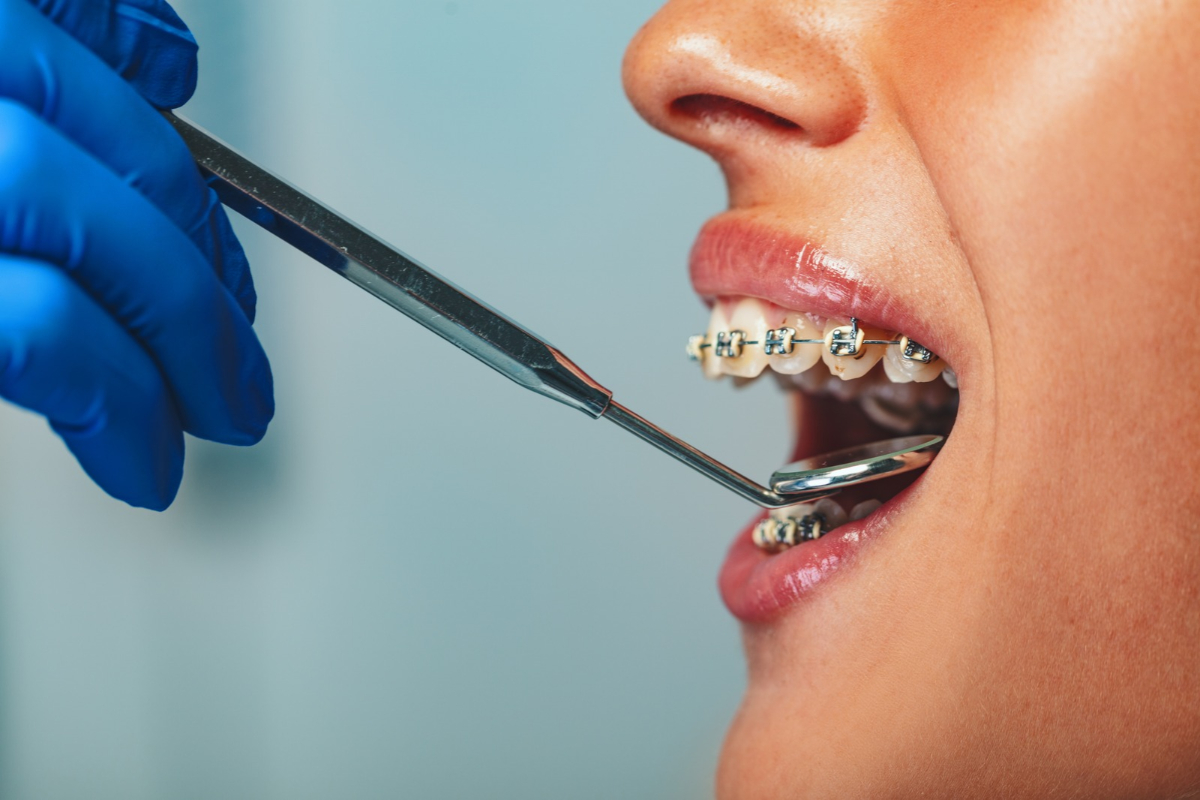
When considering braces, many patients assume all bracket systems work the same way. However, modern orthodontics offers different bracket designs that can affect how orthodontists adjust and maintain treatment.
Damon braces and traditional braces both straighten teeth through controlled orthodontic forces. The main difference is how each bracket holds the archwire. For patients exploring Damon braces in Coral Springs, Rozen Orthodontics provides orthodontic consultations to discuss treatment options. Understanding how these systems compare can help patients make informed decisions.
What Are Damon Braces?
Damon braces are a type of self-ligating orthodontic system. Unlike conventional braces, which commonly use elastic ties to secure the archwire, Damon brackets have a built-in mechanism that holds the wire.
The system allows the archwire to move within the bracket as designed. Damon braces can be used to address several alignment and bite concerns. However, their suitability depends on the patient’s orthodontic condition and treatment goals.
How Do Traditional Braces Work?
Traditional braces use brackets attached to the teeth and an archwire that guides tooth movement. Elastic ties or other ligatures commonly hold the archwire in place.
During treatment, the orthodontist adjusts the appliance to encourage gradual tooth movement. Traditional braces have a long clinical history and remain an effective option for many orthodontic conditions. Both conventional and self-ligating systems require careful planning and ongoing professional supervision.
6 Important Differences Between Damon and Traditional Braces
1. Bracket Design
The main difference is how the archwire is secured. Damon braces use a built-in sliding mechanism.
Traditional braces commonly use elastic ties that surround each bracket. This structural difference can influence how the orthodontist manages the appliance. However, bracket design alone does not determine treatment success.
2. Adjustment Appointments
Conventional braces may require elastic ties to be replaced during adjustment visits. Damon braces do not require these conventional ties.
This can simplify certain parts of the adjustment process. However, appointment frequency depends on the overall treatment plan.
Patients should not assume that Damon braces automatically eliminate appointments or shorten treatment.
3. Comfort During Treatment
Many patients wonder whether Damon braces are less painful. Both systems apply orthodontic forces that may cause temporary soreness.
Discomfort can occur after initial placement and following adjustments. Individual experiences vary based on tooth movement, appliance design, and personal sensitivity.
Research has not consistently established a major comfort advantage for self-ligating braces.
4. Cleaning and Oral Hygiene
Both Damon and traditional braces require careful brushing and flossing. Traditional elastic ties may create additional areas where plaque collects.
Damon brackets eliminate those ties, but food particles can still build up around the brackets and wires. Patients should clean around every bracket and maintain regular dental visits.
Interdental brushes and other recommended cleaning tools can help.
5. Appearance
Traditional braces come in different designs, including metal and some aesthetic options. Damon systems also offer bracket variations.
However, both remain visible orthodontic appliances. Patients who want a less noticeable treatment may also consider clear braces or Invisalign. An orthodontic consultation can help compare appearance and treatment requirements.
6. Treatment Duration
One common assumption is that Damon braces always straighten teeth faster. However, treatment duration depends on multiple factors.
These include misalignment severity, bite correction needs, oral health, and patient cooperation. Current evidence does not consistently show that self-ligating braces shorten total treatment time compared with conventional braces.
The orthodontist’s treatment plan remains more important than the bracket system alone.
Which Orthodontic Problems Can Damon Braces Address?
Damon braces may be used to treat several orthodontic concerns, including:
- Crowded teeth.
- Gaps between teeth.
- Certain overbites.
- Crossbites.
- Rotated teeth.
- Other bite irregularities.
The extent of correction depends on the patient’s dental and skeletal relationships. Some patients may require additional orthodontic appliances or treatment procedures. An examination helps determine the best approach.
Are Damon Braces Suitable for Adults?
Adults can receive Damon braces when their teeth, gums, and supporting bone are healthy enough for orthodontic movement. Age alone does not prevent successful orthodontic treatment.
However, adults may have dental restorations, gum concerns, or missing teeth that affect planning. At Rozen Orthodontics, Dr. Rozen can evaluate these factors and explain whether Damon braces or another system may be suitable. Patients can also discuss their preferences regarding appearance, maintenance, and treatment expectations.
What Should Patients Expect During Treatment?
Treatment usually begins with a comprehensive orthodontic examination. The orthodontist evaluates tooth alignment, bite relationships, and supporting structures.
Digital records may be collected to develop the treatment plan. After braces are placed, patients receive instructions for cleaning and protecting their appliances.
Periodic appointments allow the orthodontist to assess progress and make necessary adjustments. Patients should report loose brackets, broken wires, or persistent discomfort.
Choose Braces Based on Your Orthodontic Needs
Damon and traditional braces both offer established ways to improve dental alignment.
The appropriate choice depends on your bite, treatment objectives, oral health, and personal preferences. Instead of choosing braces based on advertising claims, talk with our qualified orthodontist about the differences.
Dr. Rozen can evaluate your orthodontic concerns and explain which treatment options are worth considering. Book an orthodontic consultation at Rozen Orthodontics in Coral Springs to explore Damon braces and other approaches to straightening your teeth.
Frequently Asked Questions
1. Are Damon braces faster than traditional braces?
Not necessarily. Research has not consistently demonstrated shorter overall treatment times with self-ligating braces.
2. Do Damon braces hurt less?
Both systems can cause temporary soreness. Individual comfort varies, and neither system guarantees pain-free treatment.
3. Can Damon braces correct crowded teeth?
Damon braces can address many crowding concerns. An orthodontic evaluation determines the appropriate treatment approach.
4. Where can I discuss Damon braces in Coral Springs?
Patients can schedule a consultation at Rozen Orthodontics to compare Damon braces with other available orthodontic options.
5. Are Damon braces suitable for teenagers?
Many teenagers may be candidates. Treatment recommendations depend on dental development, bite concerns, and individual needs.
6. How do I choose between Damon and traditional braces?
Our orthodontist can evaluate your teeth and explain each system’s clinical advantages and limitations.