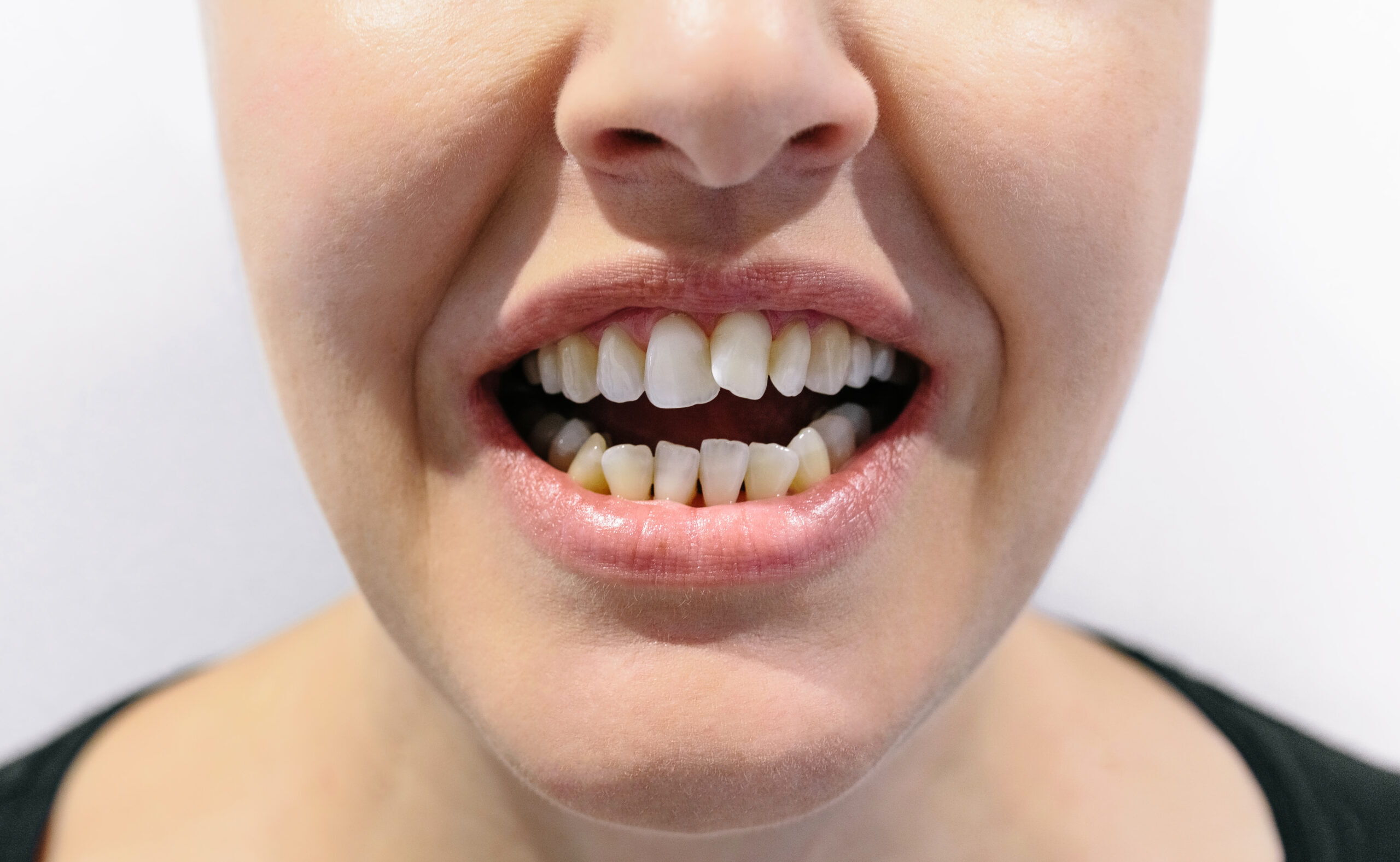


here’s a version of this story a lot of adults share: braces never happened as a teenager, whether because of cost, timing, or simply other priorities, and the crowding or spacing just became something to live with. Years pass. Photos accumulate. And at some point, a friend or family member starts treatment themselves, which quietly reopens the question of whether it’s finally time to do something about it.
Comprehensive adult orthodontic treatment in Parkland exists exactly for that moment at Rozen Orthodontics. Contrary to what a lot of people assume, orthodontic treatment for adults isn’t drastically different from treatment for teenagers, and in many respects, adult patients tend to have an easier time with it, simply because they’re more consistent about following instructions and more motivated to see the process through.
Why adults hesitate longer than they probably should
A lot of the hesitation around adult orthodontics comes down to outdated assumptions. Some adults still picture the bulky metal brackets they remember from decades ago, without realizing how much more discreet today’s options have become. Others assume treatment as an adult takes significantly longer or costs dramatically more than it would have as a teenager, which isn’t necessarily accurate for a lot of mild-to-moderate cases. And some adults simply worry about how braces might affect their professional image, particularly in client-facing roles.
Once these assumptions are addressed directly during a consultation, a lot of that hesitation tends to ease. Modern options, from clear ceramic brackets to fully removable aligners, have made adult treatment far less disruptive to daily life than it used to be, and financing options at many practices have made the cost more manageable than people initially expect.
Why more Parkland adults are moving forward with treatment now:
- More discreet treatment options exist today compared to even ten years ago
- Some dental insurance plans now cover a portion of adult orthodontic treatment
- Straighter teeth are simply easier to clean thoroughly, supporting better long-term oral health
- Correcting bite alignment issues can reduce uneven wear and jaw strain over time
- Confidence in everyday interactions and photos tends to improve noticeably once treatment is complete
- Adults often have more flexibility and consistency than they did as teenagers juggling school schedules
What the adult treatment process typically looks like
Getting started usually begins with a comprehensive evaluation, including imaging and X-rays, along with a detailed conversation about what specifically bothers you about your bite or alignment. From there, a customized treatment plan is developed based on your specific goals, whether that means traditional braces, more discreet ceramic brackets, or a removable clear aligner option, depending on the complexity of your case and your personal preference.
Adult treatment timelines vary more than they typically do for teenagers, partly because adult bone density and how quickly teeth respond to gentle pressure can differ from one patient to the next. Most adult patients are looking at somewhere between twelve and twenty-four months, though more complex bite corrections can sometimes take a bit longer.
Common concerns that bring adults in for a consultation:
- Noticeable crowding that’s worsened gradually over the years
- Gaps between teeth that have always bothered them but never felt urgent enough to address
- A bite that doesn’t quite line up correctly, sometimes causing jaw discomfort or uneven wear
- Teeth that have shifted since wearing braces as a teenager, particularly if a retainer wasn’t worn consistently afterward
- Wanting straighter teeth specifically ahead of a major life event, like a wedding or a new job
Why Parkland’s community makes this conversation easier
Parkland has a tight-knit, family-oriented community, and it’s fairly common for word of a good experience to travel quickly between neighbors, coworkers, and extended family. A lot of adult patients mention that seeing someone else in their circle go through treatment first whether a spouse, sibling, or coworker made the decision feel a lot less intimidating, since they already had a sense of what to expect going in.
That word-of-mouth pattern has meant Rozen Orthodontics sees a steady stream of adult patients who come in specifically because someone they know had a positive experience, rather than starting from a cold search with no personal reference point.
A few pointers if you’re considering adult orthodontic treatment:
- Don’t assume you’re too old — there’s genuinely no upper age limit for orthodontic treatment
- Ask specifically about the most discreet option available if visibility is your main concern
- Bring up any bite discomfort or jaw issues during your consultation, since these often factor into treatment recommendations
- Ask about financing options if cost is a concern, since many practices offer payment plans to spread out the cost over the course of treatment
- Consider your daily routine and job when discussing treatment options, since some choices, like removable aligners, fit more easily around certain schedules than fixed braces do
FAQs
Am I too old to get braces as an adult? Not at all. There’s no upper age limit for orthodontic treatment, and many patients begin treatment well into their thirties, forties, and beyond.
How long does adult orthodontic treatment typically take? It varies by case, but many adult patients complete treatment somewhere between twelve and twenty-four months, depending on the complexity of the correction needed.
Are there less visible treatment options specifically for adults? Yes, including clear ceramic braces and removable clear aligners, both of which are far less noticeable than traditional metal braces.
Will orthodontic treatment significantly disrupt my daily life or work? Most adults adjust within the first week or two and continue with their normal routine, work, and social life with only minor adjustments during that initial adjustment period.
Does treatment hurt more for adults than it did for me as a teenager? Not typically. The process and general level of discomfort tend to be similar across age groups, with some mild soreness after adjustments that fades within a few days.
Can adult treatment address bite issues, not just crowding? Yes, adult orthodontic treatment commonly addresses bite alignment and jaw positioning in addition to crowding or spacing concerns.
Will I need to wear a retainer after treatment is complete? Yes, wearing a retainer afterward is an important part of maintaining your results long-term, regardless of which treatment option you choose.
What if I started treatment years ago and my teeth have shifted back? That’s a fairly common situation, and it’s absolutely worth a consultation. Many adults in this exact position move forward with a fresh treatment plan to correct the relapse.
If crowding, spacing, or a bite issue has quietly bothered you for years, a consultation is a low-pressure way to finally see what treatment would actually involve at this stage of life. Most adults are pleasantly surprised by how manageable the process turns out to be, and how much of a difference it makes once it’s finally done.