



Speech clarity is a vital part of daily communication, especially for children and teens developing their verbal skills. When someone experiences a lisp or difficulty pronouncing certain sounds, the root cause might not always be obvious. In many cases, dental alignment plays a key role in how the tongue, lips, and teeth interact during speech. This brings up an important question: Can an orthodontist help fix speech issues or lisping?
The answer often depends on the underlying cause of the issue. While not all speech challenges are orthodontic, misaligned teeth and jaw structures can significantly contribute to certain speech difficulties.
The Connection Between Orthodontics and Speech
Proper speech requires coordinated movements of the tongue, teeth, lips, and soft palate. When teeth are crooked, spaced too far apart, or improperly aligned, these movements can be disrupted. For instance, a person with an open bite may have trouble pressing their tongue against their teeth to form clear “s” or “z” sounds, leading to a frontal lisp.
Orthodontic issues such as overbites, underbites, narrow palates, and gaps between teeth can interfere with airflow and tongue placement, which are both essential for correct pronunciation. Even minor misalignments can have a noticeable effect on speech clarity, especially in younger patients whose language skills are still developing.
How Treatment Can Improve Speech
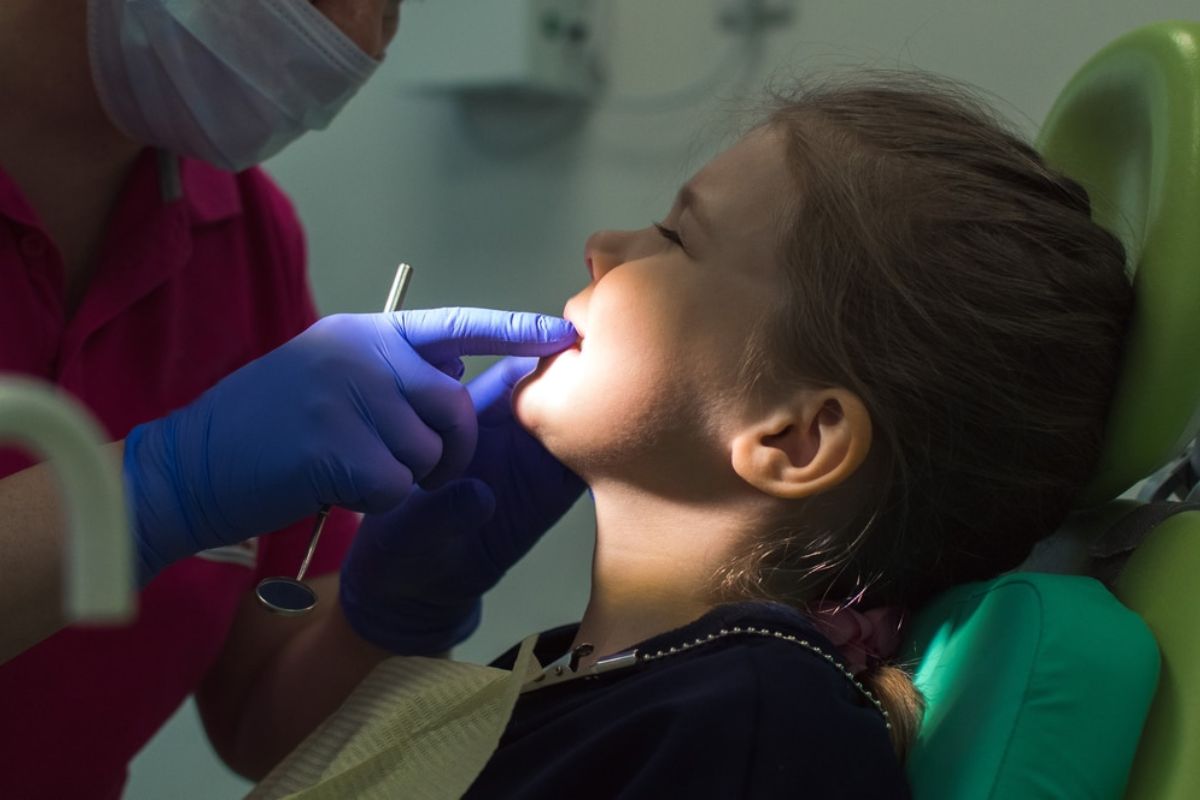
When a child or adult struggles with certain sounds or patterns of speech, a comprehensive evaluation is the first step. An orthodontic assessment can determine if misalignment of teeth or jaws may be a contributing factor.
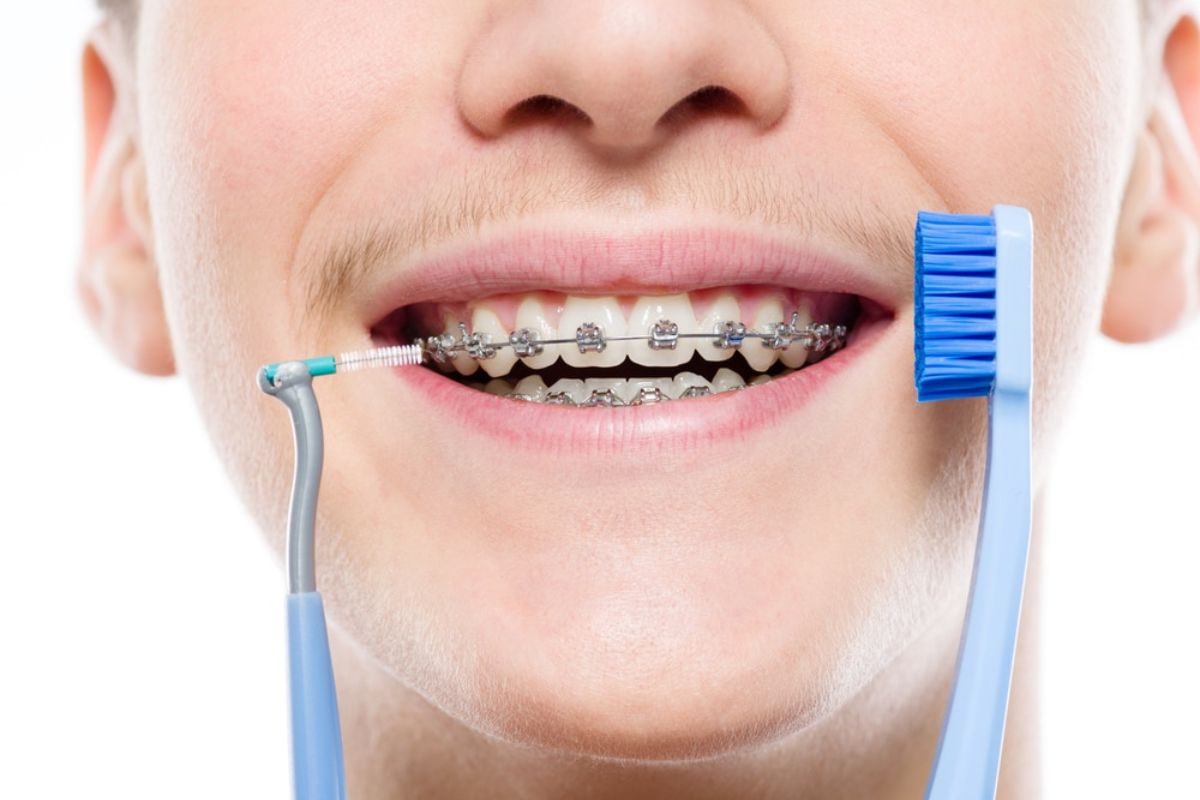
At this stage, treatment may include braces, aligners, expanders, or other corrective devices to improve the function of the bite and the overall oral structure. These changes can create more space for the tongue to move correctly, improving articulation over time. In many cases, orthodontic treatment is used in conjunction with speech therapy, giving patients a more comprehensive path to success.
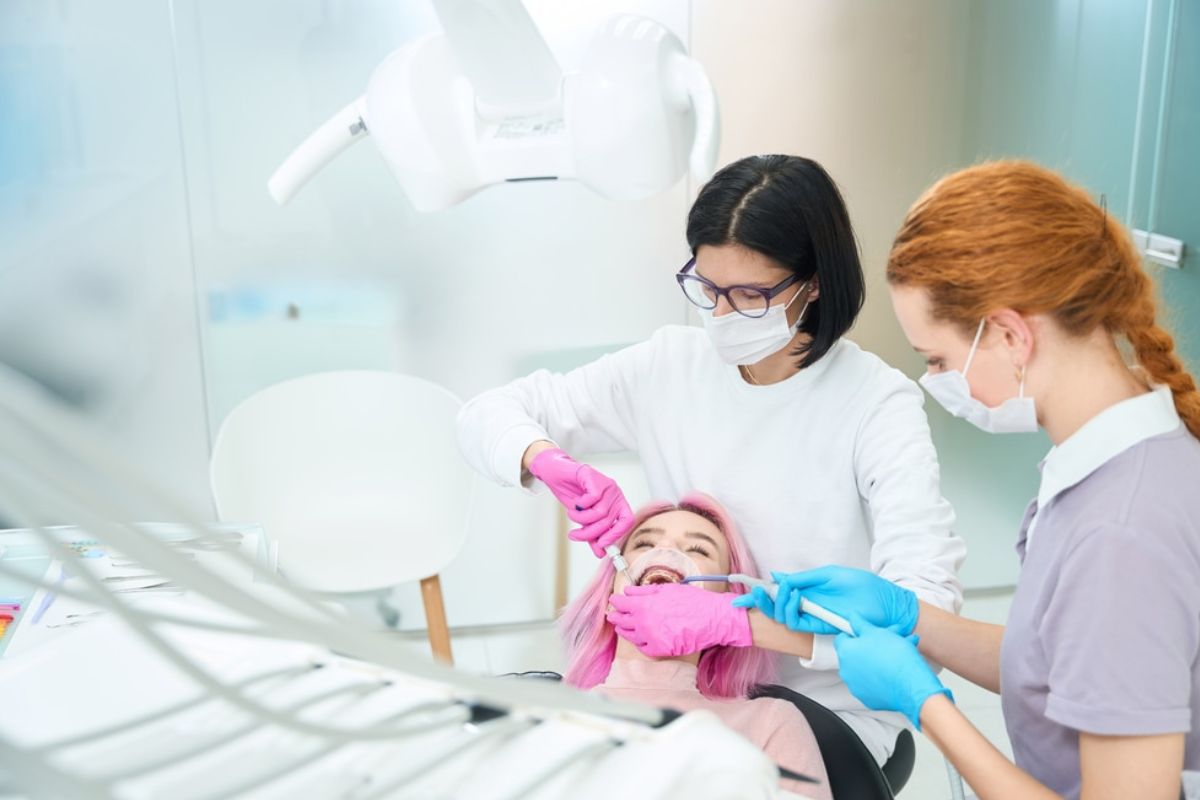
This is where our Parkland orthodontists become a key player in the team approach to resolving speech concerns. Collaboration between the orthodontist, speech therapist, and patient often results in long-term improvement.
Common Speech Issues Tied to Dental Misalignment
One of the most common speech disorders that may be linked to dental structure is a lisp, which is typically categorized into frontal and lateral types. Frontal lisps occur when the tongue pushes forward between the front teeth, while lateral lisps result from airflow being directed over the sides of the tongue. Both types can be impacted by how teeth and jaws are aligned.
Other speech challenges potentially influenced by orthodontic conditions include difficulty with “t,” “d,” “sh,” “ch,” and “th” sounds. These consonants require precise tongue placement against the teeth or roof of the mouth, which can be hindered by spacing issues or crossbites.
When to Seek an Orthodontic Evaluation
If a child has persistent speech difficulties and has already begun or completed speech therapy with limited results, it may be time to consider an orthodontic evaluation. Early intervention can help guide jaw development and prevent more complex problems later.
Teenagers and adults experiencing speech concerns often benefit from orthodontic care as well. In these cases, clear aligners are a popular option for discreet treatment that gradually improves both appearance and function.
When the speech problem is rooted in anatomical misalignment, correcting the bite often brings natural improvement—without requiring patients to relearn pronunciation entirely.
Trusted Orthodontic Care in Parkland
At Rozen Orthodontics, we believe that a beautiful smile is just one part of a healthy, functional mouth. Our team is experienced in identifying orthodontic factors that may be contributing to speech issues and works closely with each patient to develop a treatment plan that aligns with their needs.
We understand that every patient is unique. That’s why we offer customized treatment solutions designed to not only enhance aesthetics, but also support long-term oral health and speech improvement.
Conclusion
While not all speech problems are caused by dental alignment, orthodontic care can play a major role in improving speech clarity—especially when structural issues are involved. A thorough evaluation by an experienced orthodontic specialist can help uncover whether misaligned teeth or jaws are contributing to the problem.
If you or your child is dealing with persistent lisping or unclear speech, addressing the concern early on may help avoid frustration and support more confident communication. Orthodontic care might be the missing piece.