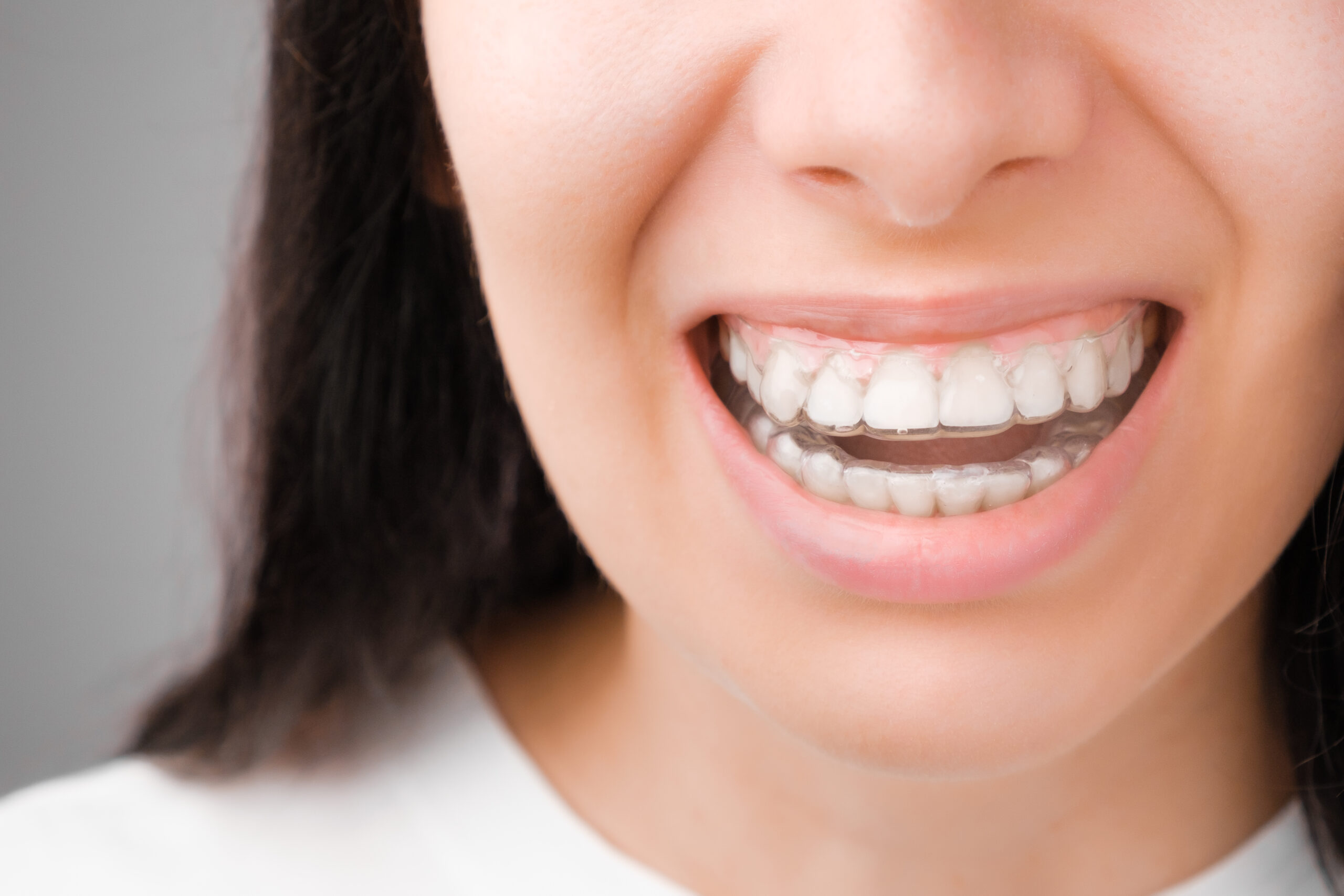





Braces are no longer just for teenagers. Increasingly, adults are turning to orthodontic treatment to improve their smiles or fix bite issues that may have been causing discomfort for years. Whether you’ve wanted straighter teeth for aesthetic reasons or need correction for functional purposes, adult braces offer a solution that fits your lifestyle.
This guide will walk you through everything you need to know about adult braces, including the types available, how long treatment takes, and how to care for them.
Types of Braces for Adults
When it comes to adult braces, there are more options today than ever before. Depending on your specific dental needs, your orthodontist may recommend one of the following types:
Traditional Metal Braces
These are the most well-known type of braces and are still commonly used today. Made of high-quality stainless steel, traditional braces are highly effective in treating a wide range of dental issues, including crowding, gaps, and misalignment. While metal braces are visible, they have become more comfortable and less bulky over the years.
Ceramic Braces
Ceramic braces are similar to metal braces but are made from tooth-colored materials that blend in more naturally with your teeth. This makes them a popular option for adults who want a more discreet appearance during treatment. However, they may be slightly more fragile and can stain if not properly cared for.
Lingual Braces
These braces are placed on the back side of the teeth, making them virtually invisible from the front. Lingual braces are custom-made to fit each patient’s teeth but can be a bit more challenging to clean due to their placement. They are a great option for those who want an invisible solution but are willing to put in the extra effort to maintain oral hygiene.
How Long Does Treatment Take?
The duration of treatment with adult braces varies depending on the type of braces and the severity of the dental issue being addressed. On average, treatment with traditional metal braces takes about 18 months to three years. Ceramic braces and lingual braces may also require a similar length of time, though treatment duration can vary depending on the case.
In contrast, Invisalign often require less time, typically ranging from six months to two years. Keep in mind that the length of treatment depends heavily on how consistently the aligners are worn and how complex the alignment issues are.
Your orthodontist will be able to give you a more precise timeline based on your specific needs during your initial consultation.
Caring for Your Braces
Regardless of the type of braces you choose, proper care is essential to ensure the treatment progresses smoothly. Braces create small crevices where food particles can get stuck, which can lead to plaque buildup and increase the risk of cavities. This makes brushing and flossing regularly even more critical.
For those with traditional, ceramic, or lingual braces, brushing after every meal and flossing daily are key to maintaining good oral hygiene. You may also need to use special tools like interdental brushes to clean around the brackets and wires.
If you opt for Invisalign , keeping them clean is just as important. You’ll need to remove them before eating or drinking anything besides water and rinse them before putting them back in. Cleaning your aligners with warm water and a soft toothbrush will help prevent discoloration and buildup.
Avoiding certain foods is also necessary when wearing braces, especially for those with metal, ceramic, or lingual options. Sticky foods like gum or caramel, as well as hard items like popcorn or nuts, can damage the braces or cause discomfort. Invisalign users, on the other hand, can enjoy their favorite foods with ease, as the aligners can be removed during meals.
Cost of Adult Braces
The cost of premium quality adult braces can vary widely depending on the type of braces you choose, the complexity of your case, and your geographic location. In general, traditional metal braces tend to be the most affordable option, while ceramic and lingual braces may come with a higher price tag due to their more discreet appearance and customized nature.
Invisalign may also be more expensive, especially for more complex cases. While the cost of orthodontic treatment can be a significant investment, many dental insurance plans offer some coverage for braces, and most orthodontists offer payment plans to make treatment more accessible.
It’s important to discuss all the potential costs with your orthodontist and insurance provider to understand what will be covered and what your out-of-pocket expenses might be.
Conclusion
Adult braces can be life-changing, offering not only an improved smile but also better oral health and confidence. Whether you opt for traditional metal braces, ceramic braces, lingual braces, it’s essential to work closely with your orthodontist to determine the best treatment plan for your unique needs.
Caring for your braces and following your orthodontist’s advice will ensure that your treatment goes smoothly and that you’ll be rewarded with the beautiful smile you’ve always wanted.